Old man goes up the mountain to dig up tree stumps and unexpectedly discovers a "ticklish tree"; making it into bonsai leads to neighbors fighting over it
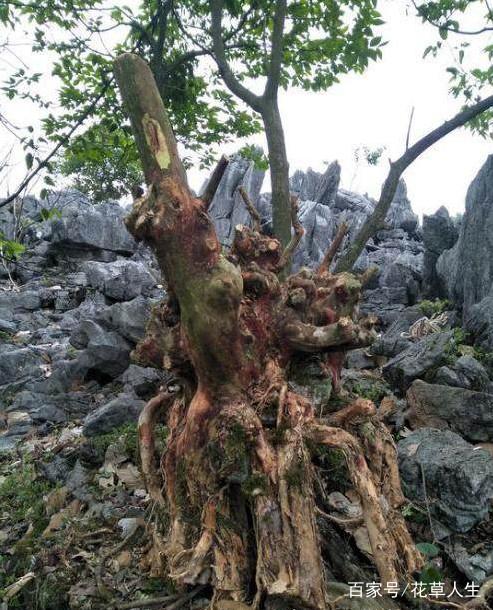
Bonsai is very popular in today's flower markets. I believe many people like it a lot, and bonsai has great room for appreciation in value, just like how my grandpa would climb up the mountain to dig up tree stumps when my grandpa was fine. What happened? Let's take a look together.
Grandpa discovered this plant and quickly dug it up and brought it home, saying he wanted to make it into a bonsai. After returning home, someone said this tree's variety was very good and that he had really made a profit. This tree is called mangrove, also known as crape myrtle (Lagerstroemia indica).
In fact, no tree is really ticklish; the phloem of a tree does not have sensory cells like animal skin. We think the crape myrtle's vivid appearance is hard to deal with, but it is very interesting.
This plant is also very suitable for bonsai. It is also very simple. It is very sturdy, easy to cultivate, and not strict about soil, but it grows in deep and fertile sandy loam. It is pleasurable in nature and should be planted in a sheltered spot in full sun or under the south wall of a courtyard. Insufficient light not only means few or no flowers, but even causes growth to decline, with small branches and leaves.
Crape myrtle has strong cold resistance, but seedlings should be protected from cold and heat. Plants over three years old do not need warmth. Crape myrtle is drought-resistant and afraid of waterlogging. Before leaf drop in spring and after leaf drop, it can be sprayed each year until the water turns green and freezes.
Just like that, Grandpa made several pots of crape myrtle bonsai, and now many people are scrambling to get them.