What are the cultivation methods and effects of Chinese mosquito mother bonsai?
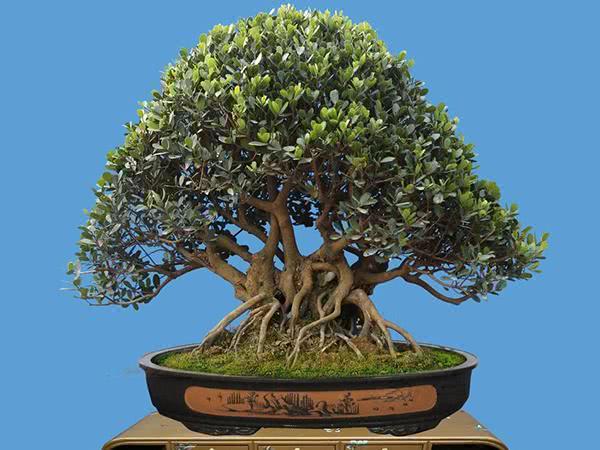
Mosquito mother, also called mosquito tree, is generally distributed in hilly areas and grows in subtropical evergreen forest belts. Such a plant may be difficult to grow in ordinary environments, so its care requirements are somewhat high.
According to its growth habits, it grows in subtropical regions, so we can basically guess that it needs sufficient sunlight to grow healthily. But sufficient sunlight does not mean exposure to the scorching summer sun. Sun protection for it in summer is also very necessary, so as to avoid water loss and conditions such as scorched and withered branches and leaves. The subtropical characteristics of high temperature and abundant rain determine that mosquito mother needs sufficient water. If water is lacking, it may cause the branches and leaves to dry up in milder cases, and in severe cases it may even directly cause the stump to wither and die. But watering should not be excessive either; too much may cause the soil nutrients to be lost, and then conditions such as root rot may also occur. It has broad adaptability to soil.
As an ornamental tree species, mosquito mother requires great attention to pruning. You can manually pick out dead branches and rotten leaves, remove the flower clusters and terminal buds, and then prune the branches and trunk to a certain extent to maintain a more graceful posture and improve its ornamental value. Cutting off those dead branches and rotten leaves is not only something to pay attention to in pruning, but also lays the groundwork for future prevention and control of pests and diseases. If they are not handled in time, then many problems will appear later. And if more attention is paid to care, its pest and disease problems do not occur often. It has relatively strong resistance to pest and disease problems. Maintaining a dry and ventilated state is a major key point for its prevention and control.
Having discussed the care methods for mosquito mother, let us now talk about its value. As a plant, it can purify the air, resist smoke, dust and toxic gases, and can adapt well to the relatively polluted and turbid urban environment. It also has industrial value and uses, such as in the automobile manufacturing industry, where it can resist gases such as sulfur dioxide. Then, when placed in gardens, it has ornamental value. Its dustproof and soundproof effects are particularly good, so it is widely planted and has become one of the most common tree species in urban roads and mining area green belts.
And what is most worth mentioning may not be the values above; what people care about most may be its medicinal value. Its odor is relatively faint, and it has notable effects on bruises, rheumatism and edema, among other things.
Having said so much, I wonder whether everyone is now familiar with mosquito mother? Perhaps before reading this article, you had never heard of it, but after reading it, you will have a deeper understanding of it. In fact, the care of bonsai is basically more or less the same. I believe that as long as you manage it with care, you will have healthy bonsai growing and developing.