Pay Attention to the Causes of Pneumonia and Take Preventive Measures
Pneumonia is an acute lung inflammation that infants and children are prone to, and the disease name pneumonia already existed in ancient times. Before the advent of antibiotics, about one third of pneumonia patients could not escape this fate. Since the advent of antibiotics, the mortality rate of pneumonia has dropped sharply, but the incidence rate has remained high. Today, about 1.4 million children worldwide die of pneumonia each year, and developing countries account for as much as 99% of that proportion.
It can still be said today that pneumonia is the number one killer of children in developing countries. The reason for this is also that pneumonia can be caused by many factors, including bacteria, viruses, parasites, fungi, microorganisms, as well as radiation, inhaled foreign bodies, and other chemical and physical factors. Among these causes, bacteria-induced pneumonia accounts for a large proportion, and after treatment with antibiotics, it generally heals in about one week or ten days.
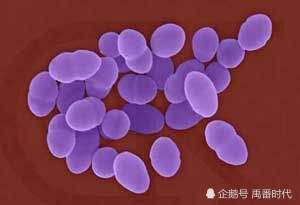
Pneumococcus
Viral pneumonia is relatively milder and shorter in symptoms and course, and will generally heal within about one week. But regardless of which factor causes pneumonia, one of the main reasons is weak resistance, susceptibility to colds, children being very playful and becoming physically exhausted, and direct or indirect smoking, among others. Under these preconditions, bacteria such as pneumococcus or viruses that frequently enter the lungs with breathing can easily trigger pneumonia.
In terms of pathological morphology, the common types of pneumonia include lobar pneumonia, bronchopneumonia, interstitial pneumonia, and bronchiolitis. The pathogens causing pneumonia are, first, bacterial pneumonia, and the bacteria specifically include Streptococcus pneumoniae, Staphylococcus, Haemophilus influenzae, and others; second, viral pneumonia, and common viruses include respiratory syncytial virus, influenza virus, parainfluenza virus, adenovirus, and others; third, other types of pneumonia, such as fungal pneumonia, mycoplasma pneumonia, chlamydial pneumonia, and others.
Viral pneumonia
In terms of prevention and treatment methods, it is necessary both to strengthen children's physical resistance and to carry out vaccination, such as Haemophilus influenzae vaccine, pneumococcal vaccine, and others, but patients with an allergic constitution are not suitable for vaccination. There are also various objective precautions, for example, if a patient with Hodgkin's disease wants to receive the pneumococcal vaccine, it should be given 10 days before treatment; if radiotherapy or chemotherapy is also needed, it should be 14 days in advance, and so on.