Frost-bitten mulberry leaves are a treasure; the elderly say they have many benefits, so don't waste them
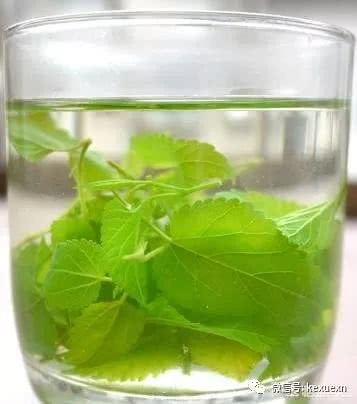
"Frost-bitten mulberry leaves are a treasure" - what this actually refers to is the common mulberry leaf we all know, except these leaves are picked only after they have been through frost. When I hear "mulberry leaf," my first thought is mulberries - I can't help it, that's just the foodie in me. Mulberry leaves are in fact also a Chinese medicinal herb, especially frost-bitten mulberry leaves.
1. The benefits of mulberry leaves
Mulberry leaves can not only be used to raise silkworms for silk reeling, but can also be brewed as tea and used as Chinese medicine. Mulberry leaves have medicinal value: they dispel wind and clear heat, and cool and brighten the eyes. In addition, mulberry leaves help lower blood pressure, aid weight loss, and kill bacteria and reduce inflammation, and they also have certain effects on diabetes and cardiovascular disease - you could say the benefits are many. Mulberry leaves also have cosmetic benefits, with certain effects on acne and pimples.
Mulberry leaves can also be brewed as tea. Our country has had the habit of drinking mulberry leaf tea since ancient times, and Japan even praises mulberry leaf tea as the tea of longevity.
2. What makes frost-bitten mulberry leaves unique
Why is it said that frost-bitten mulberry leaves are a treasure? As mentioned earlier, mulberry also has unique medicinal value, but the tender leaves of the mulberry accumulate fewer nutrients. Frost's Descent is the last solar term of autumn, and after Frost's Descent it signals that winter has come. At this time the leaves of the mulberry tree will grow, and all the nutrients have accumulated to the greatest extent, making the leaves thicker and more substantial. So the medicinal effect of mulberry leaves after Frost's Descent is stronger than that of the tender leaves.
3. Growing mulberry trees
Mulberry trees are grown over a very wide range; most regions of our country can grow them. Mulberry trees are highly adaptable, with the most suitable growing temperature at around 25 degrees, and they are not demanding about soil - loose, fertile soil is fine. The climate should be warm and humid, and normally you should not let water accumulate in the mulberry tree's growing environment, otherwise it easily affects the tree's growth.
They can be grown from seed. You can wash the seeds of bought mulberries clean, soak them in warm water for one or two days, then bury the seeds in moist sandy soil to sprout them. When the seeds show white sprouts, they can be planted. Usually after about two weeks of planting, small mulberry seedlings will grow out.
There is also something to remind friends about: although mulberry leaves are very good, you should also be careful to drink them in moderation and not overdo it, because mulberry leaf tea is cooling in nature, and drinking it often is not good for the stomach and intestines.
The above content about mulberry leaves comes from the original work of Science Agriculture, and I hope it can help you.