When summer arrives, these potted mosquito-repellent plants are especially effective
As temperatures rise, summer is drawing nearer and nearer. Facing the summer that is stepping in, many friends worry not about the scorching sun, but about the endlessly annoying mosquitoes. At this time everyone likes to light mosquito coils or use mosquito coil liquid at home, but after all, these are harmful to the human body, so it is better to grow some mosquito-repellent plants, such as mosquito-repellent geranium, lavender, basil, etc. They can not only drive away mosquitoes, but also green the environment and soothe the mind, making them a very good choice. So, which potted plants have mosquito-repellent effects? Let's take a look below; growing a pot of them is sure to be a good move!
1. Mosquito-repellent geranium
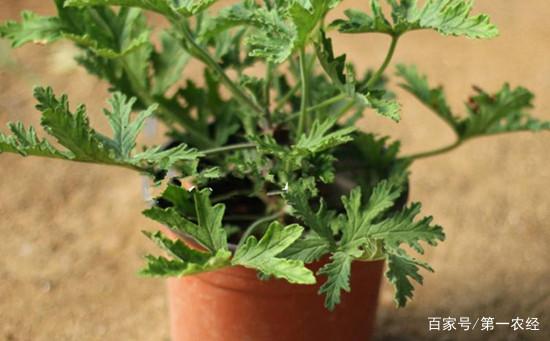
When it comes to potted plants with good mosquito-repellent effects, mosquito-repellent geranium is naturally indispensable! The geraniol substance contained in mosquito-repellent geranium can effectively drive away insects. You can tell its effect just from the name. Because it gives off a lemon fragrance all year round, it has a very good mosquito-repellent effect. In the care of mosquito-repellent geranium, the most suitable growth temperature is 10-25°C. It can overwinter safely above 0°C, and above 15°C it can normally release its lemon fragrance. The higher the temperature, the stronger the fragrance released. Spraying an appropriate amount of water mist on the leaves can make the citronellal substance released continuously, thereby making the mosquito-repellent effect better; mosquito-repellent geranium is drought-tolerant and afraid of waterlogging, so during growth, control water appropriately. Too much watering and excessive water content in the potting soil will cause leggy growth or root rot. In spring and autumn, when growth and flowering are vigorous, it can be watered a little more, but the potting soil should still be kept moist. In winter, when the temperature is low and the plant grows slowly, water as little as possible.
2. Basil
Many people know that basil is a natural seasoning plant with a very fragrant aroma. Growing this green plant at home naturally makes the air fresh. In fact, basil is also an effective mosquito-repellent plant; its slightly pungent scent keeps mosquitoes at a distance! When caring for basil, note that basil is a deep-rooted plant, and its roots can go 50-100 cm into the soil, so it is best to choose well-drained, fertile, loose sandy loam and apply enough base fertilizer before planting. In home cultivation, the flowerpot is best chosen deep and wide, so as to meet basil's deep-root requirement; at the same time, keep the soil moist, but do not let the soil become soggy. Basil can only grow well in soil with good drainage and must not stay soaked in water. For mature basil, water once every morning to give basil enough time to absorb and evaporate moisture and prevent the soil from drying out at night.
3. Lavender
Lavender has a refreshing fragrance that can not only relieve fatigue and help people relax, but this scent can also drive away mosquitoes. Growing it in the living room or bedroom is a good choice. When caring for lavender, note that lavender is semi-heat-tolerant, prefers coolness, and likes warm winters and cool summers. The suitable growth temperature is 15-25°C, and it can grow at 5-30°C. The limiting temperature is above 35°C, and if it is above 38-40°C for a long time, the top stems and leaves turn yellow and wither. In northern winters, when it is below 0°C for a long time, it begins to go dormant; during dormancy, mature plants can tolerate low temperatures of -20 to -25°C; lavender does not like water remaining around its roots. After one thorough watering, water again only when the soil is dry, with the surface growing medium dry and the interior moist as the standard, and with leaves slightly wilting as the main sign. Water in the morning, avoid sunlight, and do not splash water on the leaves and flowers, otherwise they are prone to rot and pest and disease problems.
4. Rosemary
Rosemary's fragrance can have a mosquito-repellent effect, but rosemary's scent is strong and too stimulating to the mind, so it is better to place it in a more ventilated spot. Too strong a smell can also affect daily life. If you feel sleepy while reading, using rosemary to refresh yourself is also not bad. In the care of rosemary, potted rosemary is best placed in a warm, sunny, well-ventilated environment (avoid high-temperature and humid environments); as for watering, in summer it needs more watering. Generally, when summer temperatures are high, do not water at noon; water once each in the morning and evening. In other seasons, generally water once a week. During care, water according to the condition of the potting soil; if it turns white, it needs watering.
[Editor's Afterword] As summer arrives, mosquito-repellent plants are naturally an indispensable choice. They can not only green the home environment, but also have the effect of driving away mosquitoes, making them very good indoor potted plants. The article above introduced 4 potted plants with very good mosquito-repellent effects. Which one do you like best? Quickly move your fingers and choose your best mosquito-repellent plant!