Grow a pot of mosquito-repelling, delicious greens in the kitchen - the mosquitoes disappear and you still get a little something to eat
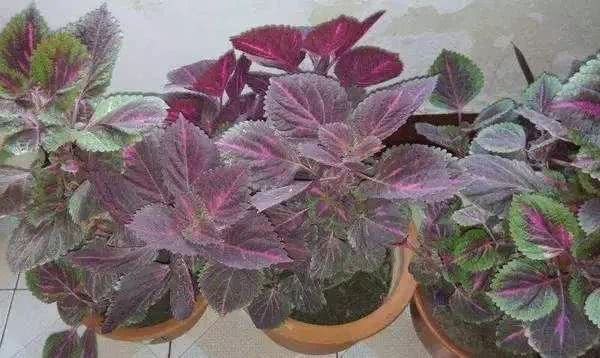
Still spending money on spices? Then you're behind the times. Why not grow one or two spice plants at home! They're decorative and you can rinse them clean and cook with them directly. Homegrown spices are natural and eco-friendly, so come and give it a try!
Perilla
Perilla has the effect of tonifying qi and dispelling cold, and its fragrance is very unique - it is an indispensable helper in many families' cooking!
1. How to eat it
Perilla can be used to remove the fishy smell of seafood and fish, and it can also add flavor, dispel wind and remove dampness. Fresh perilla can be eaten directly as a side dish, and dried perilla can be used to make tea.
2. How to grow it
Sowing: You can sow at any time. Keep the soil moist, cover with plastic wrap, keep it moist again, and wait about three days - it will sprout.
Care: Perilla grows fast. Water it often, and in less than a month it will grow lush and thriving.
Rosemary
Rosemary has a light fragrance and the effect of dispelling cold and invigorating blood circulation
1. How to eat it
Rosemary is often used as an ingredient in barbecue and Western dishes to preserve the aroma of the food. The extracted rosemary essential oil is deeply loved by women, as it can beautify the skin and delay aging
2. How to grow it
Slightly alkaline soil is most suitable for rosemary's growth. Adding some slaked lime to the soil where rosemary is planted can increase the soil's alkalinity. Water it often and keep it in sufficient light to meet rosemary's rapid growth and development needs. Rosemary has a strong fragrance, so it can be placed indoors and used as a natural aromatherapy.
Basil
Basil, also known as nine-layer pagoda (jiu ceng ta), has a fragrance similar to fennel and can add a special aroma to food
1. How to eat it
Basil can be used not only as a seasoning side for Western dishes, but also for making soup in Chinese cooking
2. How to grow it
Basil can be sown in all four seasons, but the temperature must be kept above 18°C and the soil kept moist to help it sprout. Basil grows fast - with just careful care, sturdy leaves will grow in less than a week.
Peppermint
Peppermint has pointed leaves and a dark color, with the cool taste of mint and also the spicy taste of pepper.
1. How to eat it
Peppermint has a wide range of uses - it can be used for making soup, barbecue, Western dishes, Chinese dishes and more
2. How to grow it
Peppermint is tolerant of cold and high temperatures, and has low requirements for season and soil - just water it often.
Agastache rugosa (huo xiang)
Agastache rugosa is one of the main ingredients of huoxiang zhengqi shui
1. How to eat it
Agastache rugosa has the effect of clearing heat and detoxifying, and adding it to dishes can prevent internal heat. It is easy to get internal heat in summer, so drinking a little agastache rugosa leaf as tea in summer can have a pretty good effect
2. How to grow it
For the soil used to grow agastache rugosa, choose loose, porous soil with good drainage to prevent waterlogging from causing root rot. During the seedling stage, keep the potting soil moist, and be careful to loosen the soil in time to prevent the soil from caking. With careful care, the little agastache rugosa will grow up quickly!
Lavender
Lavender is not only
a symbol of romantic love and can be used for aromatherapy - in fact, it can also be used as a food seasoning!
1. How to use it
Lavender can relax the meridians and invigorate blood circulation. For girls during their menstrual period, it has a good relieving effect, and it can also relieve fatigue
2. How to grow it
Spring is most suitable for sowing and growing lavender, and loose, well-aerated soil is the most suitable soil. Drying lavender in the sun lets you use it as a natural fragrance for clothing, and it can also be used as a tea substitute.