This pockmarked fruit was once Emperor Taizong of Tang Li Shimin's favorite, but eating too much harms the body
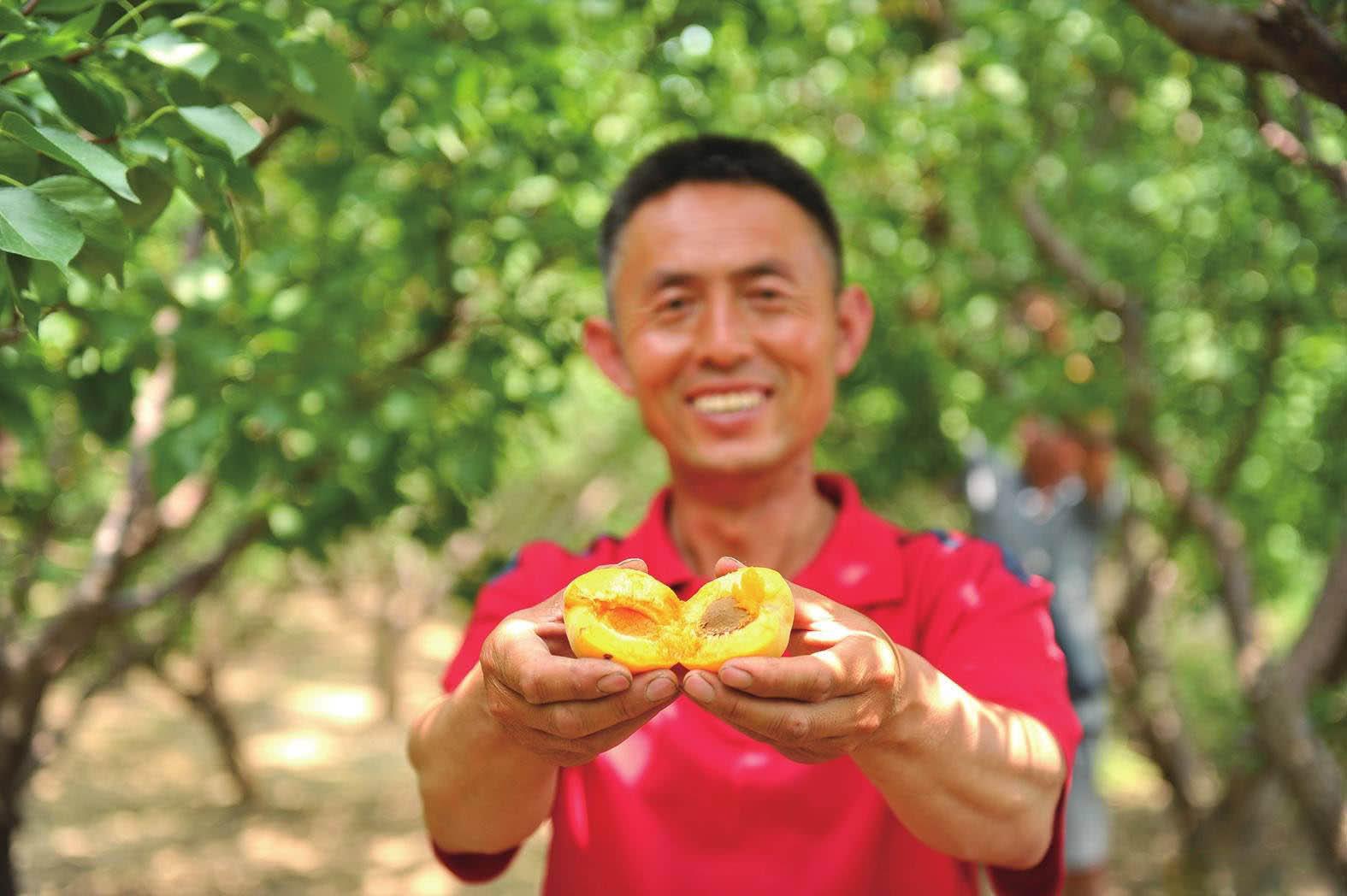
May is the season when rural fruits are produced in abundance. The most popular seasonal fruits at the market are cherries, loquats, peaches, lychees and so on. They are loved by the public for their sweet taste, and at the market they never worry about finding buyers. And there is also a yellow fruit, sour-sweet and tasty, with a texture that is not bad at all, yet it is not welcomed by farmer friends or city people, and few people sell this fruit at the market. Why is that?
This fruit is the wild apricot (Prunus sibirica). Its surface is covered in pockmarks, and its appearance is not the best, but this is not the reason it is unwelcome. In rural areas there is a saying: "Peaches nourish people, apricots harm people," which makes many people unwilling to eat wild apricots, afraid that eating them will harm them. Most folk sayings have been passed down by word of mouth from the older generation, and if you reason carefully, you will find that they still have some truth to them. Because the wild apricot is a warm-natured fruit, eating too much can cause internal heat, and even loss of eyebrows and hair, and affect eyesight. So people who like wild apricots should not eat too many at one time; eating 3-5 of them is enough.
Eaten in moderation, wild apricots can supplement the vitamin A, vitamin C and carotene the human body needs. The flesh of the wild apricot is yellow, and generally yellow fruits contain a lot of carotene. The carotene content of wild apricots ranks second among fruits, second only to mangoes. Ripe wild apricots are sweet and juicy, and the quality of wild apricots from the north is the best. There is also a folk legend about the wild apricot.
It is said that once, when Emperor Taizong of Tang Li Shimin went out hunting, he saw a patch of golden wild apricots on the mountain. After eating them, he praised them endlessly and ordered them to be named imperial apricots. Every year in autumn and winter he would order people to pick this kind of wild apricot for him to taste. The locals called Li Shimin's favorite wild apricot the Tang King Imperial Apricot, and now it is hard to find any trace of it.
In ancient Chinese traditional medicine, although the wild apricot is considered to "harm people," its almond is an excellent food-and-medicine ingredient. In the famous medical scientist Li Shizhen's "Compendium of Materia Medica," almonds are described as follows:"The almond is pungent, bitter, sweet and warm in nature, and slightly toxic. It enters the lung and large intestine meridians. It has the effects of relieving cough and calming asthma, and moistening the intestines to relieve constipation."What is referred to here is the northern almond, that is, the bitter almond, which cannot be eaten raw, but after being stir-fried or boiled it is non-toxic to eat, and is often made into almond tea, almond pastries, almond soup and so on.
Reader friends, have you ever eaten this kind of pockmarked wild apricot? It is very nutritious, but remember not to eat a large amount at one time, so as not to "harm" yourself by eating too much!