The Benefits of Cassia Seeds and How to Grow Them in Pots
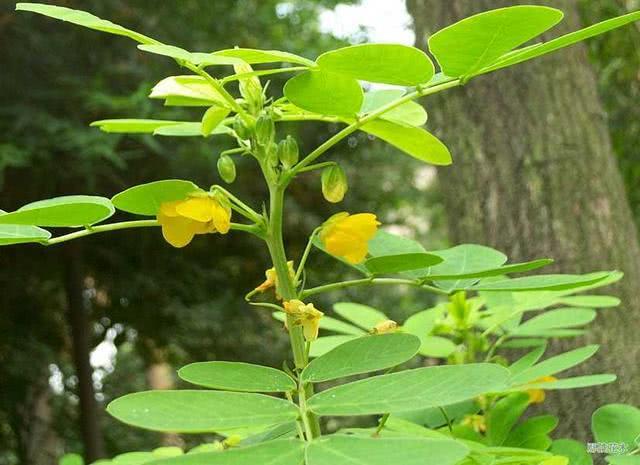
Cassia seeds come from a leguminous plant and have benefits such as clearing liver fire and dispelling wind-dampness. These are all very good effects for people. We also eat cassia seeds in our daily lives, sometimes brewing them as tea and sometimes cooking them in porridge. These two ways of eating them are the most common. Since they have such good effects, let me introduce their specific benefits!
Benefits and Effects
1. Reducing Life Stress
In fact, cassia seeds have a certain anaesthetic ability and can temporarily calm a person down, producing a blood pressure-lowering effect. This effect is generally not used on people but is used more on animals. This ethanol-containing anaesthetic effect is not obvious and only produces a slight inhibitory effect.
2. Lowering Blood Lipids
This is also the reason most people use cassia seeds. The effect of lowering blood lipids is very effective. As long as you have high blood lipids, under the guidance of a doctor, taking cassia seeds will certainly speed up the rate at which you lower your blood lipids. In today's greasy world, high blood lipids have become the norm. Many of us will have high blood lipids. This is an inevitable result, because as living standards rise and quality of life improves, the intake of meat increases, and this is the reason for high blood lipids. Therefore, regularly consuming cassia seeds is a healthy lifestyle and a wise choice for your own health.
3. Antibacterial and Antiviral
Cassia seeds contain a variety of antibacterial substances. These substances can effectively resist some viruses and enhance people's immunity.
These three major effects are the main benefits of cassia seeds. If you want a healthy life, then hurry up and plant cassia seeds. Let us use the correct approach for our healthy lives. Before using the correct approach, let us first learn something about how to cultivate cassia seeds!
The Specific Cultivation Work for Cassia Seeds
1. Soil and Site Selection
We need to find suitable open ground before we can plant. We should choose an open area with plenty of sunlight, and the soil should be supplemented with calcium phosphate to enrich its fertility. Once the above measures are done, we can begin planting.
2. Specific Sowing
The choice of time is especially important. We generally start planting cassia seeds around April. We need to soak the seeds first, then sow the seeds into the soil, water them, loosen the soil, and complete these steps, which amounts to successful planting. After about fifteen days, they will take root and sprout.
3. Regular Fertilization
Especially in the early stage of sprouting, the demand for fertilizer is relatively high, which also depends on the growth rate. Regular fertilization can help cassia seeds grow better.
4. Reasonable Watering
The water requirements are not very high. As long as the soil is kept moist, it is enough. Do not water excessively.
5. Pest and Disease Control
The interference of pests and diseases is the most severe. If pest and disease control is not done well, cassia seeds cannot be grown successfully.