A notorious weed abroad becomes a money-making grass for farmers after invading China
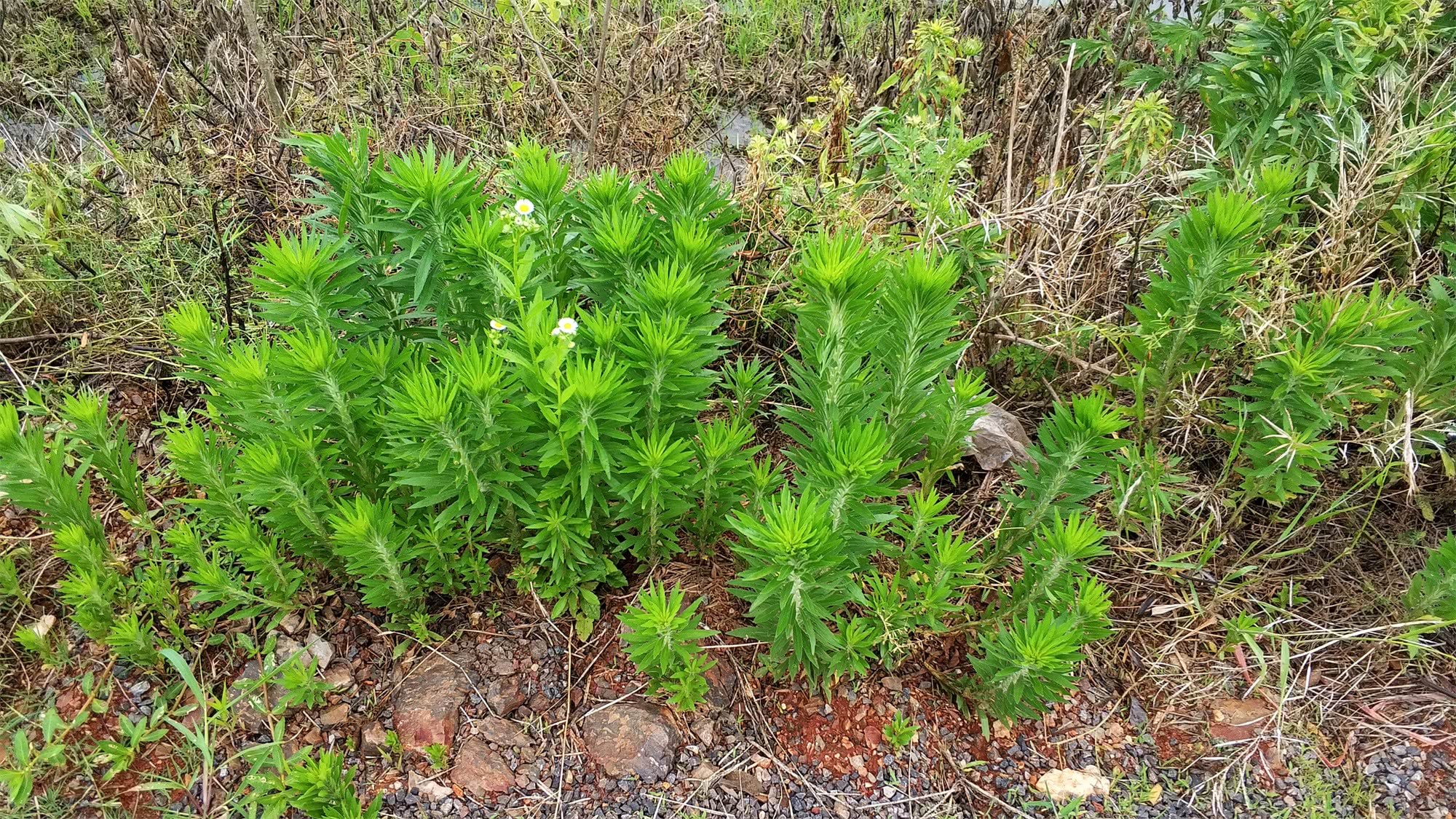
This morning, while I was taking a walk by the fields, I saw quite a few farmer friends busy pulling weeds at the field edges. I thought they were pulling them out because they were afraid the weeds would affect the growth of their crops, but only after asking did I learn that they had been planted specially at the field edges, and now they were getting ready to harvest some that had grown well to sell. Many friends living in rural areas have probably seen this wild grass; it is "horseweed" (Conyza canadensis).
When it comes to horseweed, many older farmer friends may have the first impression of it as a "major noxious weed," and that is indeed true. Horseweed is an invasive alien wild grass native to Canada, and before it invaded China it was already a notorious weed abroad. This is because horseweed has very strong reproductive, dispersal and vitality, and if you are not careful it can grow into a large patch. In particular, horseweed also likes to grow at the edges of farmland, where it harms crops even more, so when it invaded China it was also deeply hated by farmer friends.
But nowadays, many farmer friends treat horseweed as a treasure. Why? Because horseweed has very good medicinal value. According to this farmer friend picking horseweed at the field edge, the whole plant can be used as medicine and has the effects of clearing heat and draining dampness, dissipating blood stasis and reducing swelling, and stopping bleeding. It can be used to treat many conditions such as enteritis, dysentery, infectious hepatitis, cholecystitis, otitis media, conjunctivitis, psoriasis, bruises and injuries, boils and swellings, rheumatic bone pain, and external bleeding, and it is especially effective for inflammation.
It is precisely because horseweed has these good medicinal values that it has changed from a "noxious weed" into a "treasure grass." In the rural area where I live, quite a few farmer friends interplant horseweed at the edges of paddy fields and use it to make money. Dear friends, is this also how horseweed is treated where you are? You are welcome to leave a message and share!