Don't Throw Away Wilted Flowers - One Trick Brings Them Back to Life
(Summary) The flowers that us flower lovers keep at home are surely cared for diligently, but there are always places where we fall short. Every time a flower gets sick or looks listless and can't lift its head, we're beside ourselves with worry. Want to know how to instantly perk a flower up? Let me tell you all about it!
Many times when a flower gets sick, it only takes a few simple actions to bring it back to health!
Chinese rose
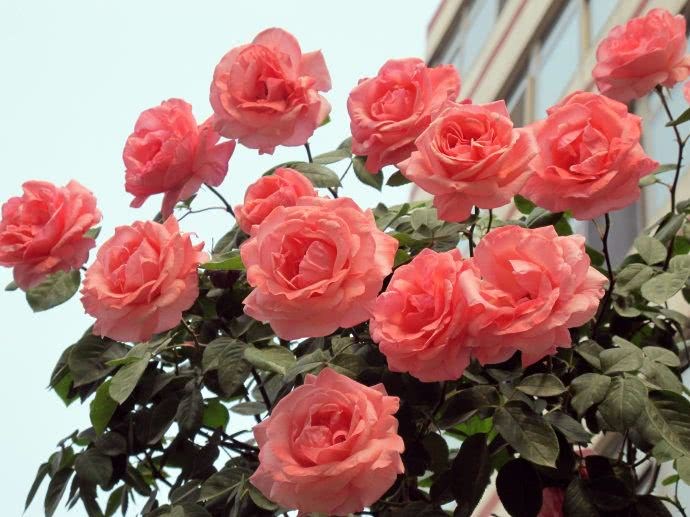
Chinese roses come in all sorts of postures and bloom with dazzling fragrance, so they're naturally the top choice for flower growers. But the delicate Chinese rose can also run into many problems during care. Actually, the Chinese rose is beautiful but not fragile - ordinary yellowing and leaf drop are minor matters. Its vitality is tenacious, and as long as there's a trace of life left, it will strive to grow!
1. Prune the branches
First, cut off all the withered, lifeless branches completely - remember, you must cut them off thoroughly. Leave only the branches full of vitality. Place the pruned Chinese rose in a cool, ventilated spot, and remember to ensure it gets half a day of sunlight every day. Water it once every two days, and after a few weeks it will revive!
2. Change the potting soil
When you see that the potting soil in the Chinese rose's pot has become compacted and impermeable, you must replace it with a well-aerated mixed leaf mold soil, otherwise the flower will get yellow leaves and drop them. Place the flower right in the center of the potting soil, about a fist's distance from the edge of the pot. After planting, place it in a ventilated spot with indirect light, and wait patiently for a few days.
3. Use dripping wax
Once a Chinese rose has been bitten by insects, you need to use this method. Because the insects are very small, there's no other way to get rid of them - if they crawl into the flower stem, it will be even harder to eliminate them.
First cut off the insect-damaged part, then drip wax onto the cut surface to seal it, and the insects won't be able to get in!
If you don't have a candle, you can also use clear nail polish.
4. The cutting method
Around summer, it's the best season for propagating Chinese roses by cuttings. For the cutting soil, choose a breathable, moist mix of vermiculite and sandy soil.
First, we select a flower branch more than ten cm long - it can't be too long or too short, and it must have at least two growth buds.
Finally, we put it into the soil, water it thoroughly, and place it in a cool, ventilated spot. Note that during the cutting process you can add a little rooting solution, which will make it grow faster!
Gardenia
Gardenias are petite and fragrant, pure and white, with leaves that stay evergreen all year round. Seeing them at the flower market, you can't resist buying one to take home and grow. But all sorts of problems always come up. Now let's take a look together at how to deal with these problems!
1. Do some pruning
Gardenias bought from the flower market have fertilizer nutrients in the potting soil, but the gardenia will gradually absorb all of these, and then some old leaves will start to turn yellow and drop. At this point, we cut off the yellow leaves and some excess branches to reduce the loss of nutrients.
2. The watering method
When watering gardenias, be careful - gardenias prefer acidic soil and are especially prone to iron deficiency. If their needs aren't met, they will naturally lose their vigor.
The way to make it better is also very simple: we can add a little vinegar when watering. Just water with the vinegar-added water once or twice a month. Be careful not to water too much, otherwise it can easily damage the flowers.
When a gardenia is deficient in iron, we can use ferrous sulfate diluted with water to irrigate the flower.
3. Prune the roots
If all the gardenia's leaves drop within a few days, then you need to check whether the roots have rotted.
If the roots have already rotted, clean away the rotted roots, then rinse them clean with water, or use a carbendazim solution to kill the bacteria on the roots. After treating them, place them in a ventilated spot to dry, then replant them.
4. Clean the roots
If the gardenia's roots have all rotted but its branches are still green and there's a trace of life left.
Cut out the flower branches that still have vitality and put them directly in water - they will root in about a week. Be careful that the bottom of the branch doesn't touch the bottom of the bottle, otherwise it will hinder rooting. We can insert the gardenia into a piece of foam and let it float on the water surface.
Hydrangea
Hydrangeas have full, large and beautiful flower heads, and their colors can be red or blue. They bloom in layer upon layer, clustered together, delighting the eye and refreshing the mind. But the hydrangea is also a very delicate flower that needs careful attention during care, otherwise it will easily get sick and die.
But actually, when a hydrangea wilts, there's always a reason. With just these few methods, you can ensure the hydrangea blooms beautifully and generously.
1. Prune the branches and leaves
When a hydrangea has just been bought from the flower market and has just left the high-temperature greenhouse to come into a dry home environment, it will quickly wilt. At this time, absolutely don't throw it away. Cut the branches and leaves shorter, water thoroughly, and place it in a cool, ventilated spot with indirect light. Be careful to give the hydrangea even lighting.
2. Put a bag over it
When the temperature is unstable, a hydrangea can only grow better in a warm, humid place. Put a plastic bag directly over the hydrangea - this both keeps it warm and maintains humidity.
3. Prevent pests and diseases
Once a hydrangea gets sick, it generally shows on the leaves. Hydrangea leaves are very large, so remember to observe carefully!
To treat yellowing leaves on a hydrangea, you can use ferrous sulfate diluted with water and apply it once or twice after the leaves turn yellow, or use alcohol diluted with water or garlic water to wipe the hydrangea's leaves, cleaning away various bacteria and preventing disease.
4. Cuttings
If none of the above methods work, you can use cuttings. Choose a section of branch six cm or longer, cut off half the leaves to conserve nutrients. Place it in sandy soil, put it in a cool, humid spot with indirect light, and gently spray water around the hydrangea every day to keep it moist. It will root in about 20 days.
All kinds of flowers have different postures, and we flower lovers each have our own favorite flowers. Take good care of them!