Put scraps of cloth at the bottom of flower pots, and for 10 years there will be no root rot, making it easy to grow lush, overflowing pots
Window screen mesh
A broken window screen at home is a great drainage mesh. Cut it up and place it at the bottom of the pot to prevent soil from running out and water from accumulating
Scraps of cloth
Don't throw away scraps of cloth at home, especially chiffon and gauze types like the one below, keep them to line the bottom of pots
Non-woven fabric
Non-woven bags for shoes and clothes are relatively large pieces, and can be used to line the bottom of medium and large flower pots
Cross-stitch fabric
Leftover cross-stitch fabric scraps can be cut up and thrown into the bottom of the pot. They have many small holes, which also help excess water in the pot drain out
Wet wipes
Soak wet wipes in water to remove the smell, let them dry, and then put them at the bottom of the pot. They are suitable for small potted plants
Cotton pads
Cotton pads have good water absorption and are perfect in pots, but it is best not to use already used cotton pads
Beer caps
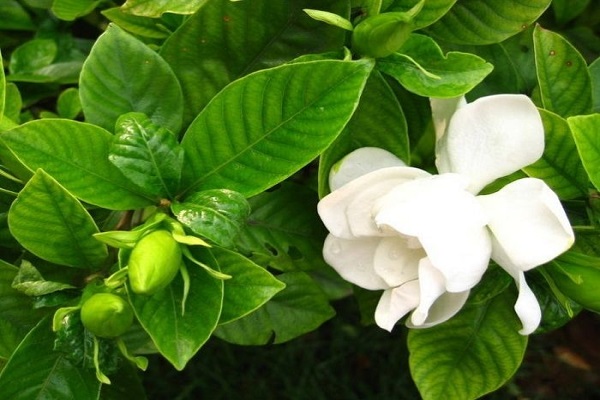
Beer caps from drinking beer in summer, placed upside down at the bottom of the pot, are especially suitable for acid-loving flowers that need metal elements supplemented, such as gardenias, Chinese roses, and jasmine
Foam board
Break foam board into pieces and put a layer at the bottom of the pot. This helps the potting soil dry out and improves airflow, and is suitable for all kinds of orchids and flowers afraid of waterlogging
Junk
Scrap copper, iron, and old wires at home can all be used at the bottom of pots, and can also supplement trace elements for flowers
Peanut and sunflower seed shells
Peanut shells and sunflower seed shells placed at the bottom of pots both filter and act as fertilizer. Note: do not use flavored peanut or sunflower seed shells!
Walnut shells
Walnut shells also work, but do not make them too big. Crush them a bit, and also note not to use flavored walnut shells
Loofah sponge
Cut loofah sponge into pieces and put it at the bottom of the pot. It also filters and adds fertilizer, natural and pollution-free~
Pine needles
Choose relatively fluffy, dry pine needles. They are suitable for lining the bottom of pots for large flowers such as camellias, orchids, and peonies, and are also very good fertilizer
Stones
Find some clean stones, or scald them with boiling water or soak them in carbendazim to sterilize. They are suitable for lining the bottom of large pots for green plants
Clay pebbles
Clay pebbles are a very good material for lining the bottom of pots and are suitable for any flower. Putting them at the bottom of the pot is even more effective than putting them on the surface!
Small stones
Small stones with a diameter of 1 cm can also be used at the bottom of pots, but note that they must be sterilized. Scald them twice with boiling water or soak them in carbendazim solution before use
Shells
Small shells and coral fragments can also be used in flower pots, and they also contain calcium. It is best to disinfect them before use
Bamboo charcoal
Bamboo charcoal packets at home are replaced after a few months, so don't throw them away. They are perfect for lining flower pots, not only absorbing moisture but also sterilizing
These little things that can be seen everywhere
May solve big problems in growing flowers
Fellow flower growers
Hurry up and take action