What types of pneumonia vaccines can be administered?
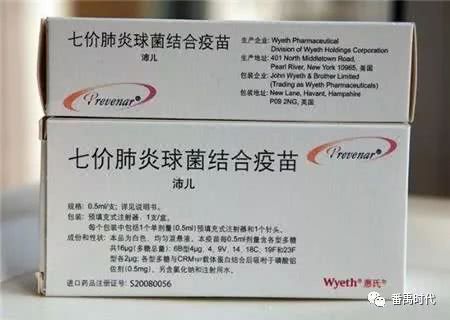
Infants, young children and other children are prone to pneumonia, so vaccination has become a method of prevention and treatment. The 7-valent pneumococcal vaccine, 13-valent pneumococcal vaccine, 23-valent pneumococcal vaccine and others are all vaccines suitable for children and adults. The "valent" number here indicates how many types of pneumonia can be prevented; for example, 23-valent means it can prevent pneumonia caused by 23 serotypes of pneumococcus.
Each pneumonia vaccine also has its own unique advantages in terms of suitable groups and other aspects. For example, the 7-valent vaccine is most suitable for administration at ~5 years of age and is one of the pediatric pneumonia vaccines. The vaccine uses protein conjugation technology, in which the protein acts as an immune carrier, combined with the characteristics of young children soon after birth of producing an effective immune response to T-cell-dependent antigens and inducing immune memory, so that when stimulated again by the same pneumococcus, an enhanced immune response can be produced.
The 7 serotypes of pneumococcus in the 7-valent pneumococcal vaccine are 4, 6B, 9V, 14, 18C, 19F and 23F. Pneumococcus is the main pathogenic bacterium of bacterial pneumonia and can cause pneumonia, upper respiratory tract inflammation, septicemia, meningitis, bacteremic pneumonia and bacteremia, and it provides the strongest protection for children under 2 years old. However, when a young child has a fever, vaccination can only be given after the child's fever has completely subsided.
The 23-valent pneumococcal vaccine is a pneumonia vaccine suitable for healthy adults. It can prevent 23 types of pneumococcus, covering about 90% of the pneumococci most likely to cause pneumonia. Generally, protective antibodies are produced 2 to 3 weeks after vaccination. Its use abroad for nearly 20 years has shown that the effectiveness rate can reach more than 92%. It also has good safety, and the protection period can reach about 5 years. Of course, after vaccination, other aspects of prevention and protection also need to be done well to achieve the best results.