Growing small gourds in pots on the balcony: pay attention to these points and one plant can bear dozens of them
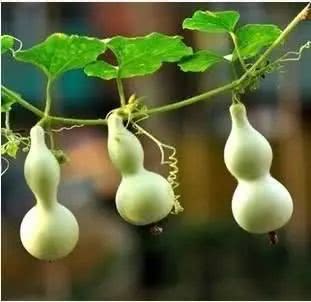
Hand-rubbed gourds, because they are exquisite and dainty, small and cute, are loved by many people. Right now, the temperature is just right, so plant one on your own balcony. The green vines wind and twine along the balcony, and among the green leaves and white flowers the gourd brothers peek in and out, looking especially beautiful! One plant alone can bear quite a few.
In fact, whether it is the hand-rubbed gourd, the bottle gourd, the wine-immortal gourd, the giant gourd, and so on, the growing methods are all pretty much the same
So, if you grow them yourself in a flowerpot, what aspects do you need to pay attention to? Let's take a look together:
1. Choosing seeds
When choosing seeds, note this: be sure to choose plump ones; do not take shriveled or deformed ones, because even if they sprout into seedlings, they may not necessarily be healthy.
Then soak them and put them in a container, cover them with a soaked small cotton cloth, and in three to five days the seeds will sprout. Of course, gourd seedlings can also be bought now. However, if you have seeds, it is still recommended to grow them yourself; the amount used is small, and it is also very convenient.
2. Sowing
When planting, note this: choose a deeper container, because its root system is especially well developed and the vines are also large, so you must ensure its nutrition is sufficient.
The potting soil should be loose and breathable. It is best to add one layer of fertilizer for each layer of soil, and spread a layer of insect-prevention medicine at the bottom of the pot. Fertilizer and medicine can be bought at a flower shop. The soil requirements are not high; garden soil or leaf mold will do, and add a bit of vermiculite and perlite to increase air permeability.
After mixing, place it evenly into the flowerpot, then water a little; it does not need much, just slightly moist. Then place the seeds, preferably with the sprouting point facing up, and cover the seeds with a layer of soil.
3. Selecting seedlings
Wait until the seedlings grow a bit larger, about ten cm or so, and then you can select seedlings. Remove the weak ones and keep the two growing most vigorously. Only two can be kept in one flowerpot; otherwise it is not good for later nutrient supply, and if the small gourds do not get enough nutrients, they will not look good when they grow.
Note this: when selecting seedlings, do not be reluctant to part with them; being unable to bear a small loss upsets a big plan.
4. Management
When managing, note this: gourds like plenty of water, and during the young stage and growing stage they absolutely must not lack water; otherwise the plant will not grow large, and the gourds will also bear fewer.
Give as much light as possible. When the light is sufficient, it will grow fast. At the same time, apply some fertilizer as well; this helps more flower buds differentiate later, and then there will be more small gourds. If the potting soil already contains fertilizer, then just adjust it appropriately yourself.
5. Pinching the top
When the small gourd grows to 50 to 100 cm, pinch off the tender bud at the very top. When pinching, pinch off a slightly larger bit at the top; if you remove only a tiny thread, it will not work and it will keep growing. After pinching the top, it will differentiate several vine branches; keep two and remove the others.
After each vine branch grows to 40 to 50 cm, pinch the top again and let each vine differentiate two more branches. Then there is no need to pinch the top anymore; otherwise it will differentiate like crazy!
Because it is grown in a flowerpot, you should decide the number of vine branches appropriately according to the size of your own space. This number cannot be generalized; it depends on your own situation.
6. Pollination
Because it is grown on an indoor balcony, after flowering there are no bees or small insects to pollinate it, so you have to do it yourself.
Note this: clearly identify the female and male flowers! At the base of the female flower, where it connects to the vine, you will faintly see a small gourd, tiny and new; when you see it, you will be especially excited! The male flower does not have this at its base, only a slender flower stem.
When the male flower opens, promptly use a cotton swab to pick up some pollen and then gently touch it to the female flower's stigma. You can also directly pinch off the male flower and join it to the female flower. This intimate contact is indispensable! Otherwise the small gourd will not grow.
With enough water and fertilizer, sufficient light, and enough space for the vines to climb, just sit back and wait to harvest small gourds. If grown well, one plant can bear dozens. And it also beautifies your balcony, which is very nice.
Holding several in one hand, is that not quite interesting?