Uncle Li hasn't fertilized his flowers for years, yet they grow extremely vigorously. Want to know his method?
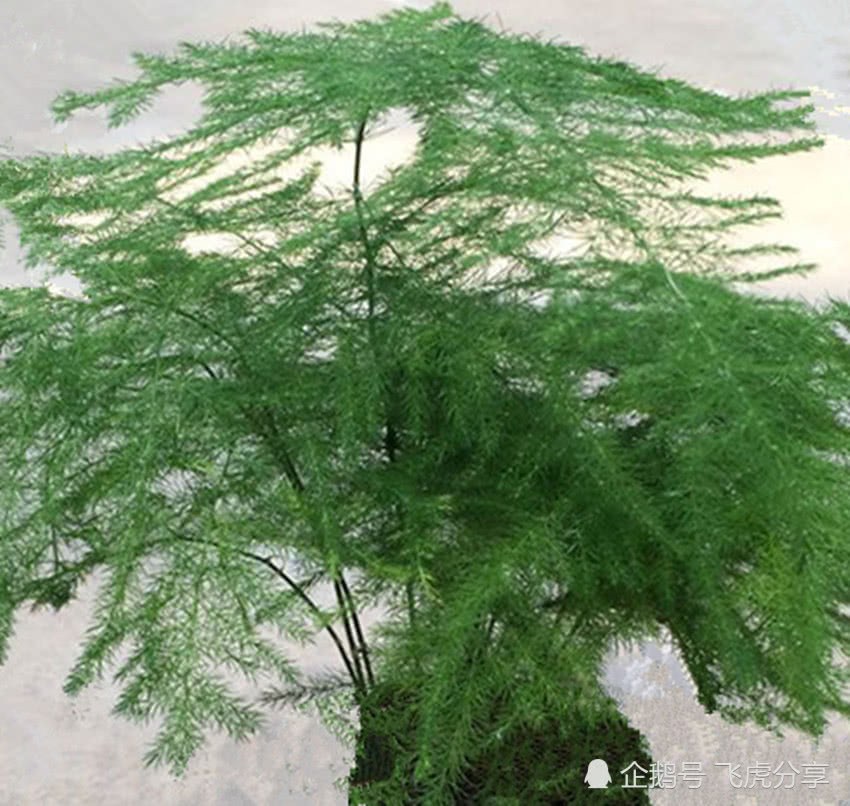
There is an Uncle Li in my neighbor's family, a true farmer who has dealt with all kinds of plants since he was young and has his own unique experience with flowers and plants. What makes his flower growing different from others is that apart from using fertilizer when repotting his flowers, he never fertilizes them at all in normal times. Some flowers go for several years without being repotted or fertilized, yet they grow extremely vigorously, better than other flowers that do get fertilized. So what method does he actually use to grow his flowers so well? Let's find out below.
According to Uncle Li, growing flowers is the same principle as growing cash crops. Many cash crops take several years from planting to harvest, and no fertilizer is applied in between, yet they can grow very well. The most crucial reasons are the soil quality and the base fertilizer. Moreover, flowers are much easier to grow than valuable cash crops. Especially for potted flowers, the amount of potting soil and base fertilizer needed is small, and whether you gather them yourself or buy them, they are very easy to obtain. Uncle Li also said: "For home flower growing, you don't need to fertilize the flowers often. If you do it wrong, it can backfire. You only need to use some good soil mixed with a bit of good base fertilizer when repotting. Apart from repotting, there is simply no need to fertilize at all, and the flowers will still grow extremely vigorously.
The potting soil Uncle Li uses is the topsoil he digs up from the pine forest on the mountain, that is, the topmost layer of soil. After bringing it home, he crushes the cow dung he has dried in the sun and mixes it into the soil (about one quarter of the soil), then mixes in an appropriate amount of river sand (about one fifth). Uncle Li said: "The potting soil is not fixed; you can use whatever is available locally, such as leaf mold, earthworm castings, vegetable garden soil, and so on. The key is the base fertilizer. If you use other fertilizers poorly, they can burn the roots, whereas dried cow dung is plant manure, which will not burn the roots or the seedlings, will not make the soil compact, and will continuously supply the nutrients needed for flower growth over the long term. So there is no need to fertilize in normal times, and the flowers will definitely grow better than fertilized ones." If you can't find soil and fertilizer, you can buy them directly; there are plenty for sale at flower markets or online.
None of the above is fabricated in the slightest; it is completely true. I also learned about it a few years ago. Since Uncle Li told me this flower-growing method, I have used it for several years now, and the results are really good. With this method, whether you are growing orchids, clivia (Clivia miniata), or other flowers, they all grow extremely vigorously. Some have been going for several years now, and I still haven't repotted them. The soil in the pots is not compact at all and is still very loose and soft. I hope fellow flower lovers will treasure this.