How do you grow succulents indoors without killing them?
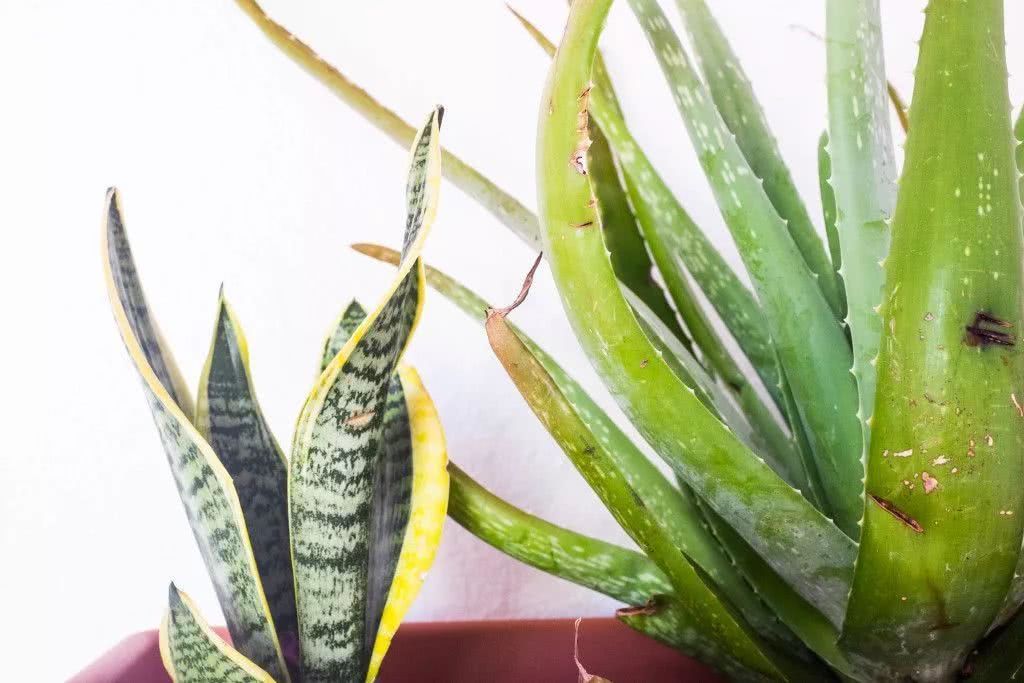
I really love growing succulents. Even indoors, I grow succulents that adapt well to the environment, such as the common Haworthia fasciata, aloe, Mammillaria elongata and cactus ball, all of which are very hard to kill, and they can keep growing when kept indoors.
The plants above are the indoor plants I have raised from small to large, kept only on a windowsill with light, maintaining appropriate scattered light every day, yet they still grow very well without needing too much light. So how do you avoid killing succulents? Actually, the most important things are watering and light. To reduce pests and diseases, you need more ventilation and to maintain a warm, dry environment all year round. What is less important is fertilizing.
Although succulents can survive without frequent care, many people are unable to take good care of them. Some friends grow dozens of pots but cannot keep even a few alive. See if you have any of the problems below.
How to avoid killing your succulents:
1) Use loose, special succulent soil
To care for succulents, you must use soil with better drainage. Some friends even grow succulents in sand or granular stone. Beginners are advised to use sandy soil to avoid waterlogged soil, and maintaining good ventilation and air permeability is also key.
I often see some friends spreading small colorful stones or small white stones on top of potted succulents. These stones are not very breathable. It is recommended to use pumice, kanuma soil, diatomite or akadama as top dressing stone, and avoid using stones with poor breathability and drainage.
2) Grow them under reasonable sunlight intensity and temperature.
Succulents all need light to grow. Apart from proper shading when summer temperatures are too high, they should be given as much sunlight as possible in other seasons. Succulents do not grow well in shade; their branches and leaves tend to become leggy and very delicate. In sunlight they look great, but newly planted succulents cannot be exposed to too much light and should gradually be moved to a more sunny environment.
3) Do not give too much water
The easiest mistake for beginners is overwatering. Newly planted succulents need to be watered again after 5-7 days. When summer is excessively hot and winter is cold, watering must be controlled. These are the most important points to note, and before each watering you should check whether the soil has dried out completely.
Succulents will not die quickly from lack of water and will have a long buffer period. If overwatered, succulents can die within a few days. Controlling watering can also prevent root rot or black spot disease. Also be careful not to spray water, and do not pour water directly on the leaves or leaf centers.
4) Avoid frequent fertilizing
Succulents have very low requirements for water and fertilizer, and frequent fertilizing is especially taboo. Too much fertilizer easily causes fertilizer burn. Fertilizing should stop when summer temperatures are high and after it turns cold in late autumn. Generally, fertilizer only needs to be supplemented occasionally in the cool and warm seasons of spring and autumn, and the concentration given cannot be too high.
5) Keep the air circulating
Succulents must not be grown in enclosed spaces, especially some containers with lids. I have seen succulent landscapes decorated in sealed glass bottles in flower shops. Succulents do not live long inside them and are prone to black rot or root rot, and will continuously drop leaves.
The care environment for succulents must be kept cool and well ventilated. Avoid growing them in a stuffy, hot environment. Poor ventilation easily induces fungal infections.
6) Give succulents appropriate space
Most succulents are very short and small. Some friends like to keep them in a tiny space all the time. Using a small pot to grow a small succulent plant is not wrong, but as the succulent plant keeps growing, it needs to be repotted regularly. Every two or three years, in spring and autumn, you can repot succulents into larger containers, preferably choosing terracotta pots.
Terracotta pots are loose and breathable, and have very good drainage, and they are also cheap.
What other points do you think need attention when caring for succulents? Feel free to tell friends who grow flowers together.