What to do when Epiphyllum only grows leaves but does not bloom? Remember these 3 points and flower buds will appear one after another
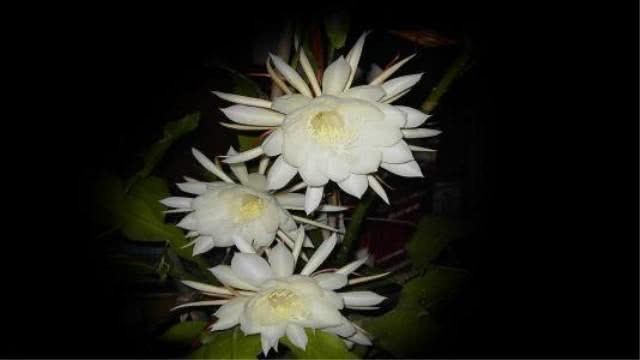
Growing Epiphyllum requires loose, well-drained soil. In summer, watering should be increased appropriately, but there must be no waterlogging, otherwise it very easily leads to root rot. In spring and autumn, it is best to place it in a semi-shaded spot, avoiding direct sunlight, and generally decomposed organic fertilizer is best. Propagation can be done by cuttings and sowing.
I. Growing environment
1. Soil: Epiphyllum requires loose, well-drained soil. It can be mixed using peat soil, coarse sand and furnace slag.
2. Watering: In summer, watering should be increased appropriately, but there must be no waterlogging, otherwise root rot occurs very easily; in winter, watering should be controlled and the potting soil kept as dry as possible; if the rainy season comes, drain the water from the potting soil in time. When the weather is relatively hot, water can be sprayed around it to raise air humidity, which can help its growth.
3. Light: In spring and autumn, it is best to place it in a semi-shaded spot, avoiding direct sunlight. In summer, place it indoors in a bright, well-ventilated spot, and it absolutely must not be exposed to scorching sun, otherwise the stems very easily turn yellow.
4. Fertilizing: It prefers fertilizer, and generally decomposed organic fertilizer is best. During the growing period, apply diluted cake fertilizer water once every half a month, and after the flowers fade, apply liquid fertilizer once more, which helps it bloom the next year.
II. Propagation methods
1. Cutting propagation: Choose healthy, thick leaf-like stems as cuttings, cut them into 20-30 cm lengths with 2-3 nodes per section, trim the base flat, and after the cut surfaces dry, insert them into a sand bed; they will take root in about 3 weeks.
2. Seed propagation: Generally it takes 4-5 years from sowing to flowering, and it is generally used for hybrid breeding.
III. Common pests and diseases
1. Root rot: The roots rot and the leaves also become wrinkled. Watering should be controlled to prevent waterlogging in the potting soil. The rotten roots can be removed and the plant re-cut for propagation.
2. Red spider mite: When red spider mites are found, promptly use pesticide sprays to kill them, and chili water and other methods can also be used to repel the insects.