Bury a few bulbs in the pot of the clivia, the new shoots grow vigorously, and flowering and fruiting are no problem
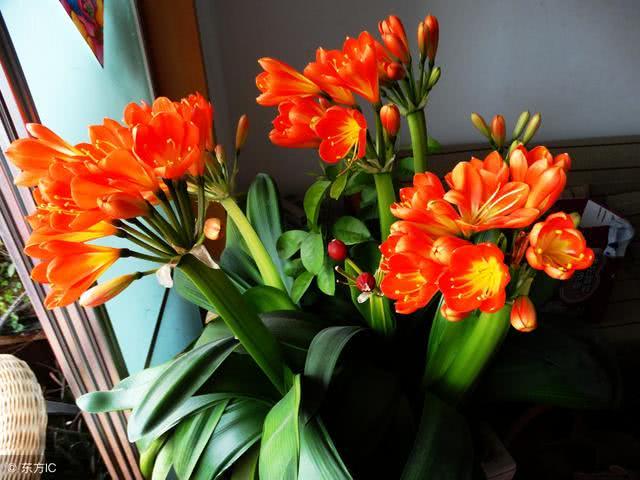
Clivia is a flower that many people like to grow, but clivia is also quite difficult to grow for gardening beginners, and even some people with gardening experience know that clivia is actually especially hard to grow, basically it is very hard for it to bloom, so if we want to grow clivia well we have to learn a little more knowledge about growing flowers, and we can appropriately use some small methods to promote its growth.
1: Pine cones and pine needles
Anyone who has grown clivia knows that watering is probably the biggest problem with clivia. If the soil is not airy enough, the clivia is very likely not to survive. You can pick up some pine cones in the park and put them at the bottom of the soil, which can make the soil more airy, but they must be soaked in a carbendazim solution for half an hour first, and only then can they be placed at the bottom of the soil.
2: Castor seeds and melon seeds
It is no rumor that clivia is hard to bloom. It is famous for being a flower that needs fertile soil to maintain normal growth, so during the growing process you must maintain its fertility well. You can choose to use melon seeds as fertilizer. Melon seeds are very oily and are very suitable for clivia, but just put in a few seeds.
3: Willow branches
Willow branches are famous for being very moisture-resistant and also very rot-resistant. Generally, they will not rot after being placed in a pot for several years. Willow branches are rich in salicylic acid, which can promote the growth of clivia. If you choose to use willow branches to plant clivia, you will find the effect is very noticeable, but they cannot be put in directly. You have to cut them short first, then soak them in a potassium permanganate solution for one hour, and then bury them at the bottom of the soil.