Follow these 3 tips for ivy and it will easily cover an entire wall
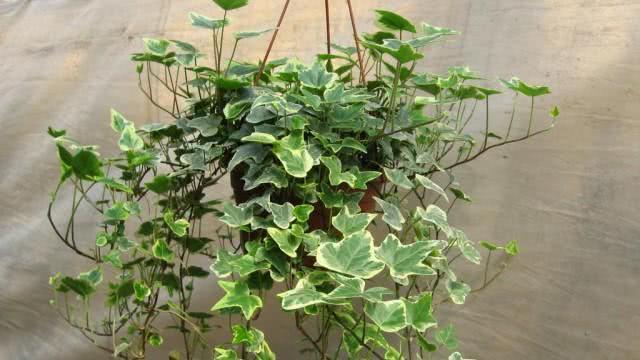
When growing ivy, keep the potting soil moist, water moderately, and provide plenty of light, but do not let it be exposed to strong direct sunlight. Normally it also needs a temperature of 18-20°C. The main propagation methods are cuttings and layering. In addition, pay attention to pests and diseases such as leaf spot and scale insects.
I. Growing environment
1. Soil: Ordinary potting soil is fine, but the potting soil must be kept moist.
2. Watering: Ivy likes moisture, so the soil must be kept moist at all times. In spring and summer, you can spray water on the leaves or around the plant to increase air humidity. In autumn and winter, reduce watering; in winter it is best to keep the soil dry.
3. Light: Ivy must have plenty of light when grown. If grown indoors, it is best to place it at a south-facing window so it can receive more sunlight; only then will it grow faster and its leaf color will be more vivid, but it must not be exposed to strong direct sunlight.
4. Temperature: The temperature suitable for its growth is 18-20°C. It is very cold-hardy and will not be harmed even at 0-5°C. Generally, above 10°C is best. If the temperature is higher than 35°C, it will stop growing and its leaves will turn yellow.
II. Propagation methods
1. Cutting propagation: Cuttings can be taken in any environment with a suitable temperature. Cut a stem vine about 10 cm long, insert it into the soil to 1/3 of its length, then water thoroughly. Cover it with plastic film and place it in a cool place. After it roots, divide and plant it in pots and water thoroughly.
2. Layering propagation: Lay it flat and cover it section by section with some moist sand. Before long, you will see new roots appear. Then cut it off section by section, and it can be planted as individual plants.
III. Common pests and diseases
1. Leaf spot: It causes leaves to dry up and even fall off. Once diseased leaves are found, remove them promptly and burn them to avoid increasing the source of infection. Strengthen ventilation and light transmission, and at the same time spray with 40% Penke wettable powder at 800 times dilution.
2. Scale insects: They cause leaves to turn yellow or dry up. If the affected area is small, they can be removed manually; if the affected area is large, they can be eliminated by spraying with a pesticide.