Is your Alocasia macrorrhizos wilting and looking listless? Learn these few tricks to make it grow tall and strong
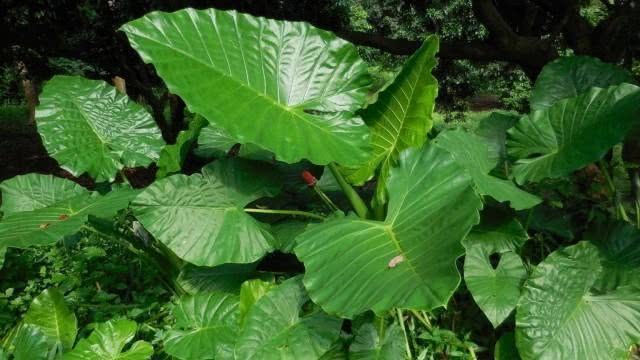
To grow Alocasia macrorrhizos, use loose, fertile soil. In summer, water generously and keep the potting soil in a half-dry, half-moist state. In winter, let it receive appropriate light, while in the other seasons place it in a shaded environment and maintain a temperature of 20-25°C. Propagation can be done by sowing seeds and by division. Also watch out for pests and diseases, and spray treatment promptly once they are found.
I. Growing environment
1. Soil: Loose, fertile soil is best; you can pot it in leaf mold, peat soil or fine sandy soil.
2. Watering: In summer, water generously and keep the potting soil in a half-dry, half-moist state as much as possible. If you water too much and waterlogging occurs, it will cause the stem to rot. During the growing period, spray water around it frequently to increase air humidity and keep the potting soil moist.
3. Light: In winter, you can let it receive appropriate light, while in the other seasons it is best to place it in a shaded environment; when it blooms, it can also receive a moderate amount of light.
4. Temperature: The suitable growing temperature for Alocasia macrorrhizos is 20-25°C. In winter, it is best to keep the temperature above 8°C; if the temperature is too low, the leaves will turn yellow.
II. Propagation methods
Propagation methods generally include sowing seeds and division. After the fruit ripens, dry the seeds and store them well, then sow them in the spring of the following year.
For division propagation, cut off the small plantlets sprouting from the base of the plant together with their roots and plant them directly in the potting soil; just water moderately to keep them moist.
III. Common pests and diseases
1. Common diseases: leaf spot, anthracnose, fusarium wilt, etc. Once found, spray promptly with a fungicide to avoid a severe situation that causes the whole plant to die.
2. Red spider mites: Red spider mites are generally seen mostly on the underside of leaves. They not only affect its normal growth but also spread many viruses, so check frequently and treat promptly once found.