What to do after cineraria finishes blooming? Prune it in time and it will bloom again soon
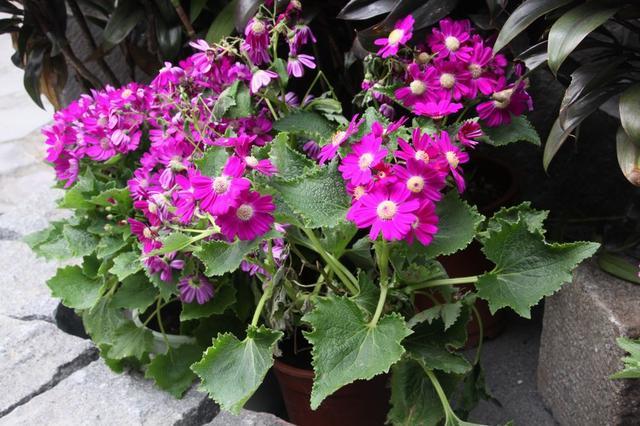
Cineraria is a perennial flower that can usually bloom 2-3 times a year, but many people think it only blooms once a year. This may be because our care methods are wrong. For example, before blooming everyone is very attentive, with fertilizing, watering, weeding and so on all taken care of thoroughly, but after it blooms they become a bit unwilling to tend to it. In fact, if we can also take careful care of it after blooming, perhaps the next bloom will come very soon. Today let's talk about the care methods for cineraria after it blooms.
1. Prune as soon as possible
For many flowers, after they bloom we need to prune as soon as possible, promptly cutting away all the withered flower buds and dead leaves, because these withered flower buds and dead leaves will still consume nutrients, so cleaning them up in time helps store nutrients.
2. Use a moderately sized pot when repotting
We can repot the cineraria after its first bloom. We should put some organic fertilizer and rotted leaves at the bottom of the pot as base fertilizer, so that the roots and stems of the cineraria that has already bloomed can absorb nutrients and prepare for blooming again later.
3. Reasonable fertilizing is very important
After the cineraria enters the growth period, we need to increase the frequency of fertilizing. We can apply fertilizer twice a month to ensure there are enough nutrients during the growth period, so that poor growth is not caused by insufficient fertilizer. Also, when fertilizing, the fertilizer needs to be diluted before use. Concentrated fertilizer will burn the roots, so pay attention to this.
4. Reduce watering, water only after the soil dries out
Cineraria needs to maintain sufficient water, but do not water too much. We should make sure the potting soil is very dry before watering. If it is summer, we can water in the early morning or evening, and at noon it should be in a shaded place. In winter we should water less, just 1-2 times a week, depending on whether the potting soil is relatively dry.
5. Prevent and control pests and diseases
The main pest and disease problem of cineraria is red spider mites. We can use chili water or garlic water to water the flowers, using the pungent smell to drive away the pests. If they have already appeared, we need to buy pesticide to deal with the pests.
The flowers that cineraria produces are very beautiful, and it is also very suitable for ornamental display when we grow it at home, so we can try growing it at home. If you have any questions, you can leave me a message. Is there anyone who has grown cineraria? Share your care experience.