These 3 flowers can be grown into a waterfall, even prettier than pothos
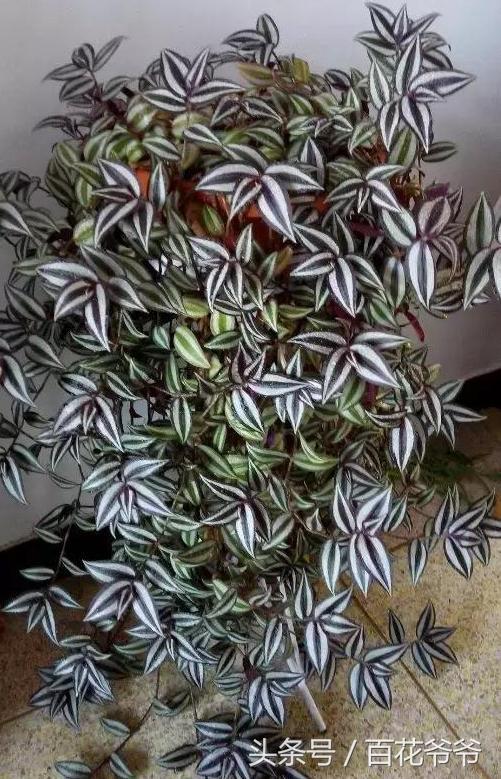
Generally speaking, everyone thinks that growing a pothos into a full pot or a waterfall looks beautiful, but in fact there are many trailing plants that look just as beautiful when grown into a waterfall. If you've grown enough pothos, today let's switch to a different kind of plant. The key point is, they are really very easy to keep alive!
Tradescantia zebrina (inch plant)
The leaves are very distinctive, and it has strong adaptability. You can just pinch off a branch and stick it in the soil and it will live. Whether in a sunny spot or a semi-shady environment, it adapts well. When caring for it, keep the potting soil slightly moist and not too dry, otherwise the old leaves easily dry up, turn yellow and drop off.
Swedish ivy
In some places it is called southern Plectranthus, and it is native to Australia. It likes a temperature of 20-25°C, is not picky about soil when planted, and likes the potting soil kept moist. During the growing season, fertilize once a month so the plant grows vigorously. You should often pinch off the growing tips to make the plant fuller and more lush. Note that in winter it is best kept indoors and watered less, to avoid freezing to death. Gardeners who like cuttings can also take branches about 10 cm long for cuttings, which root in 7-10 days.
Chlorophytum comosum 'Variegatum' (spider plant)
This season is exactly the vigorous growth period of the spider plant. With its good looks and easy care, it is very easy to grow into a ball of foliage. The spider plant has decent cold tolerance and can withstand temperatures around 0°C in winter, but in northern regions it still needs to be kept indoors. The spider plant has a fairly developed root system, so it is recommended to repot once every spring. Using sandy soil rich in humus, loose and fertile, with good drainage and aeration, makes it easier to grow into a full pot.