Pothos and spider plant keep turning yellow in water culture? 3 tricks to make them green again
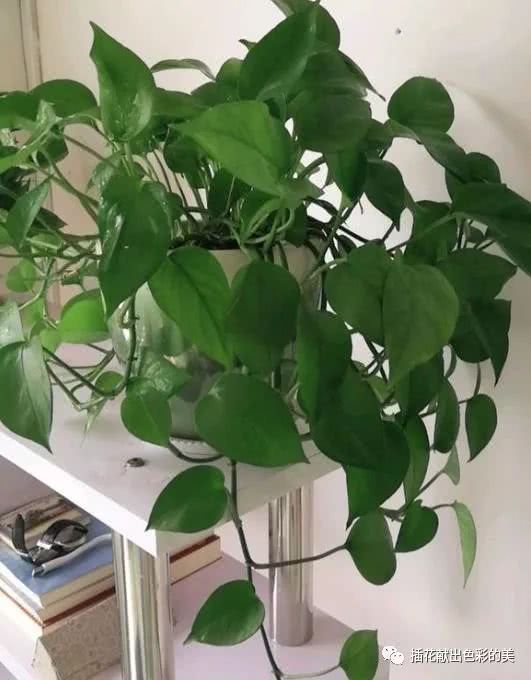
Family life is inseparable from the adornment of flowers and plants, and most flowers and plants are green. Green can relax the mind, make people very happy when they come home after a day of work, and also play a decorative role.
Many people buy a pot of pothos to keep at home. It not only purifies the air but also adds a different color. If you hang it up to grow, it is like a wall painted with green paint.
If you want pothos to maintain its green luster, we can often wipe the leaves with water. If you add a little beer to the water, the effect will be even better! Because it likes a moist growing environment, we must keep the potting soil moist and provide appropriate shade. Because pothos grows quite fast, appropriate fertilization can be carried out to ensure the nutrients it needs for growth!
Wiping pothos leaves with beer allows the leaves to directly absorb the nutrients in the beer, making the leaves shine as if they were waxed!
Spider plant is a flower that prefers shade and cannot accept strong sunlight
Solution:
Spider plant can be kept indoors in a place with scattered light, such as the living room, bedroom, and so on. Do not give it overly strong sunlight.
2. Not enough fertilizer.
Spider plant in water culture cannot absorb as many trace elements as soil-cultured spider plant, so if the water is not changed often, it can easily lead to insufficient nutrition and cause yellow leaves.
Solution:
Spider plant is mainly given nitrogen fertilizer. You can mix urea and water at a ratio of 1:800 and apply it in the bottle. Be careful not to use too much, otherwise it is easy to burn the roots.
3. Not pruning in time.
Leaves that are too dense will accelerate nutrient absorption, and the leaves will turn yellow. In addition, too many miscellaneous roots will affect the spider plant's absorption of nutrients and also cause yellow leaves.
Solution:
Cut off the yellow leaves in time. If the spider plant is too dense, you can carry out a "beheading" operation to ensure that the other leaves can grow normally. Trim off the excess empty roots so that the roots can fully absorb nutrients.
Yellow leaves on pothos
1. Sudden environmental change.
Generally, a newly bought pothos will have a process of adapting to the new environment when it arrives home. At this time, if there are yellow leaves, it is a normal phenomenon. Just cut off the yellow leaves in time.
Solution:
You can place the newly bought pothos in the bedroom or another place at home with scattered light, and slowly wait for it to adapt to the pot.
2. Insufficient nutrition.
Nutrients in water are not as abundant as those in soil, and insufficient nutrition can also cause pothos leaves to turn yellow.
Solution:
Pothos is also a foliage plant and is mainly given nitrogen fertilizer. In addition to urea, we can dilute decomposed soybean water 20 times and add a little to the water culture bottle. Usually, we can spray water on the leaves.
3. Poor water quality.
Some flower lovers directly use tap water from home to grow pothos without any other treatment. The chlorine in tap water is unfavorable to the growth of pothos and can easily cause yellow leaves.
Solution:
Change the water frequently. Add water to the water culture bottle until it is about 1/2 full. Change the water once every 2 weeks. When changing, there is no need to take out the roots; just pour it in along the side of the bottle.
What should you do if lucky bamboo has yellow leaves?
1. First remove and pick off the yellow leaves, otherwise they will take up the nutrients of the other leaves.
2. Trim the roots. If the roots are damaged or there are rotten roots, first cut off the rotten roots, then put it in water for cultivation, otherwise it will continue to infect other roots, thus causing yellow leaves.
3. When rooting, you can put 1 aspirin tablet in the water. Change the water in the bottle once every 3 days. It is best to use purified water. Tap water should be left to sit in the sun for a day before use to remove the chlorine in it. It can take root in 15~20 days.
3. Add nutrient solution. If lucky bamboo lacks iron, you can add ferrous sulfate solution to the water to supplement iron elements. Just add it each time you change the water. Prepare ferrous sulfate and clean water at 1:1000.
4. Usually, you can use a spray bottle to spray a little water on the leaves to maintain humidity, or spray water into the air around it.
5. Lucky bamboo is generally mostly kept indoors. It cannot accept direct sunlight, nor can it be in too dark a place. Just place it indoors in a bright place with scattered light, such as the living room.
6. If you directly use tap water to grow lucky bamboo, the water quality is prone to spoilage. Tap water is best left to sit in the sun for a day before use. It is recommended to use purified water or well water.
When changing the water, there is no need to take the whole lucky bamboo out. Just tilt the bottle and pour the water out. Add water until the bottle is 1/2 or 2/3 full.
When we water, never directly use freshly drawn tap water to water flowers. It is especially easy to make the soil compact. It cannot be seen in a short time, but after a long time, the harm can be seen,.
We can use the following water to water flowers
1. Fish tank water
If you raise fish at home, this changed water is best for watering flowers, because the water contains fish feces and food residue and contains urea and nitrogen elements. Of course, the content is relatively small, and it can be used to water flowers at any time. However, if salt or other medicine has been added to the fish tank, it is best not to use it,
2. Rice washing water
This is the universal water for growing flowers. Rice washing water should be fermented before use. If it is not fermented, it is easy to cause soil compaction. Put it in a plastic bucket in a warm place to ferment for about ten days, and then it can be used to water flowers. Fermented rice washing water is rich in nitrogen elements and is suitable for various foliage plants such as pothos. It can make the leaves verdant and green and grow fast
Fermented rice washing water has a bit of an odor. We can add a few orange peels. Not only can it make the water slightly acidic, but it will also give the water a fresh fragrance
Dilute the rice washing water with clean water at a ratio of 1:5, then use it to water flowers, about once every half a month. Because fermented rice washing water is weakly acidic, it can adjust the pH
3. Ferrous sulfate
Friends who grow flowers at home will inevitably grow some acid-loving flowers, such as gardenia, jasmine, rhododendron, and other flowers that like acidic soil. We should water appropriately to improve the pH of the soil. We can water once a month with diluted ferrous sulfate water. The ratio is 1:500 for dilution. It can supplement the acidic substances needed for plant growth, and the leaves will not show iron-deficiency yellowing
4. Aspirin or vitamin B12
Aspirin contains abundant salicylic acid, which can promote root growth and development. If lucky bamboo roots slowly, we can add one aspirin tablet or vitamin B12 to the bottle to promote rooting. When we water, we can also grind half a tablet, add it to the amount of water of one bottle of mineral water, dilute it, and then water the flowers. It can make the roots of potted plants strong and the leaves greener
Essential balm water
Mix essential balm and water at 1:500, and add 3-5 drops of dish soap. Because adding a little dish soap to the water can let the essential balm dissolve better in the water.
Then pour the essential balm water into a spray bottle and spray it toward the plant. It has a very good effect on red spiders, aphids, and so on.
The ratio of floral water is 1:50. Stir it evenly, then put it in a spray bottle and spray it toward the leaves and stems. Spray about once every 3-5 days. After several consecutive times, it can not only drive away red spiders, aphids, and so on, but the sterilization and disinfection effect it contains can also prevent plant black rot and so on.