Indoor potted plants photosynthesize poorly, and it is mostly because the light bulb is too weak
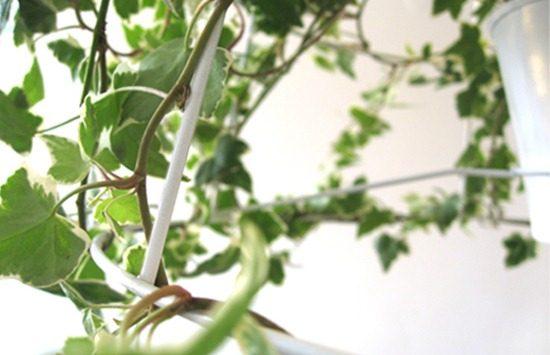
Many people today like growing potted plants indoors. Whether they are flowers and grasses or asparagus ferns and lucky bamboo, they all add a nice decorative effect to the room and clean the air while they are at it. We may feel quite happy about it, but the plants are not necessarily happy staying there. The biggest problem is that indoor sunlight is insufficient, so can our indoor lighting meet the needs of plant growth?
We all know that plants need sunlight for photosynthesis, but the amount of light each kind needs is different. Here is a spectrum chart:
From the chart we can see that the light absorbed by the various photosynthetic pigments of plants is mainly blue light and red-violet light, while green light is absorbed the least, which is also why we see plant leaves as green. So what kind of light do fluorescent lamps emit? The fluorescent lamps used in homes today are generally energy-saving lamps, and their spectrum is as follows:
As you can see, fluorescent lamps can provide plants with more blue light, but very little red-violet light, with the main light concentrated in the yellow-green range that plants barely absorb. So fluorescent lamps are very inefficient for plant photosynthesis. Actually, low efficiency is not such a big deal. The biggest problem is that the power of fluorescent lamps is simply too low.
The intensity of light is directly related to the intensity of photosynthesis. Plant photosynthesis can produce oxygen, while the plant itself is always respiring and consuming oxygen. The light intensity that brings these two exactly into balance is called the light compensation point. Each plant has a different light compensation point, and since fluorescent lamps themselves are not very intense and have little red-violet light, it is basically impossible to reach the standard that lets plants thrive.
In agriculture today there are indeed indoor light sources used to replace sunlight, mainly sodium lamps, metal halide lamps and LED lamps. Sodium lamps and metal halide lamps were originally used for lighting in mines, large squares and similar places. Their power is large enough, and their spectrum can also suit the needs of plants, making them the most cost-effective option.
Full-color LED lamps can also be used to provide a light source for plants, but LED lamps consume too much electricity to emit light. At the same wattage, their power consumption is 10 times that of sodium lamps, so compared with sodium lamps and metal halide lamps, their efficiency is quite low.
Finally there is the incandescent lamp. Many children born in the new century may never have seen an incandescent lamp. Yes, it is the original light bulb invented by Edison.
The spectrum of the incandescent lamp is rather crude. Incandescent light contains a large amount of invisible light, infrared rays, which is also why we feel that incandescent light is relatively hot. If the power is large enough it can even be used for grilling, so using it as a light source for plants is a bit scary.
So if you are counting on indoor lighting to let plants complete photosynthesis, unless you use industrial-grade, square-grade metal halide lamps or sodium lamps, you had better just roll up your sleeves and take the plants out to bask in the sun every day. One day of sunlight is worth several days of fluorescent light.