This wild grass is fragrant all around; its root is a rare treasure. Soaked in liquor and drunk, it relaxes the sinews and invigorates the blood; it is commonly known as the "herb of longevity."
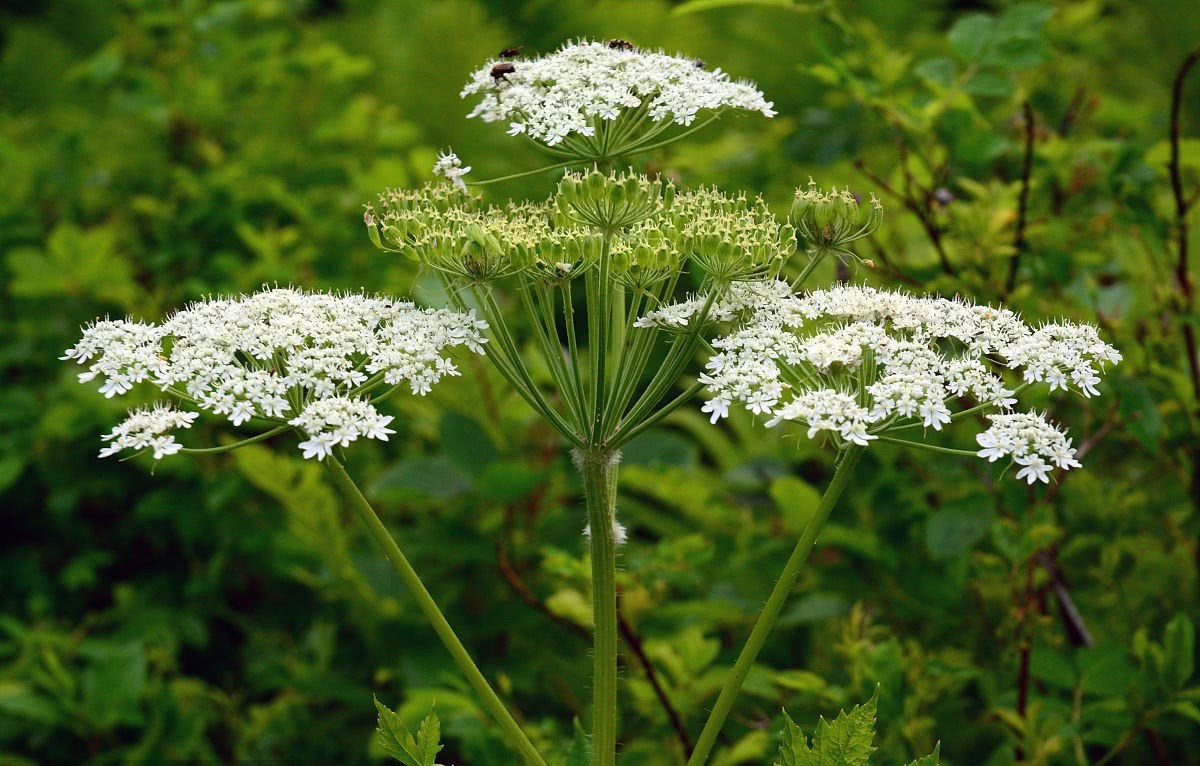
In the mountainous areas of central China, there are many wild medicinal herbs in the mountains that are little known; those who recognize them treat them as treasures, and those who do not simply see them as grass. Among them is an umbrella-shaped wild grass with white flowers, whose fragrance is so strong it can be smelled from far away. This wild grass is often treated as a roadside weed, yet unbeknownst to many, its nickname is "herb of longevity," and its root is a rare treasure. Since ancient times, the root of the herb of longevity has been a well-known medicinal material, long listed in the Shennong Bencao Jing, with very high medicinal value.
The herb of longevity is a perennial herbaceous plant with a well-developed root system; it grows year after year, which is how it got this name. But it does not live up to its name in vain, because its root is even more valuable. In ancient medical books, the root of the herb of longevity is called "duhuo" (Radix Angelicae Pubescentis). Why would it be called by such a strange name as duhuo? Perhaps because no other wild grass grows where it does! The exact origin cannot be verified, but this name is not unfamiliar to many people who care about health preservation. The effects of duhuo are similar to those of danggui (Angelica sinensis), and it belongs to a type of pubescent angelica.
The medicinal nature of duhuo is mild and lasting. Experienced old farmers use it to soak in liquor, because what duhuo excels at most is "specifically treating dampness and wind in the lower jiao, painful obstruction of both feet, and damp itching with contracture." (From Bencao Zheng.) Duhuo is a key medicine for rheumatism and pain in the waist and knees; it can reach the meridians, dispel wind and remove dampness, relax the sinews and invigorate the blood, and disperse cold to relieve pain. And because its medicinal effect is mild, unlike ginseng and deer antler, which are pungent, hot, and strongly tonic, and because it is cheap and easy to obtain, it is very popular among farmer friends.
There are many kinds of duhuo. The one from Zhejiang is called Zheduhuo, and there are also Shanduhuo from Sichuan and Anhui, and Xiangdahuo from the Northeast; all are plants of the pubescent angelica family, so be careful to identify them when digging. The duhuo commonly seen in rural areas generally has small white umbrella-shaped flowers and grows relatively tall, reaching about 15 cm. When digging duhuo, take care to protect its root, because its root is very long and has many rootlets; try to dig it out with the rootlets intact so as to preserve its medicinal value to the greatest extent.
After the root of duhuo is washed clean, dried in the sun, and sliced, it can be soaked in liquor. It can also be combined with niuxi (Achyranthes bidentata), sangjisheng (Taxillus chinensis), and duzhong (Eucommia ulmoides) and placed together in the liquor, with the effect of tonifying the liver and kidneys and strengthening the sinews and bones. (This formula comes from Qianjin Fang.)