Learn to prune correctly so your plants can grow well
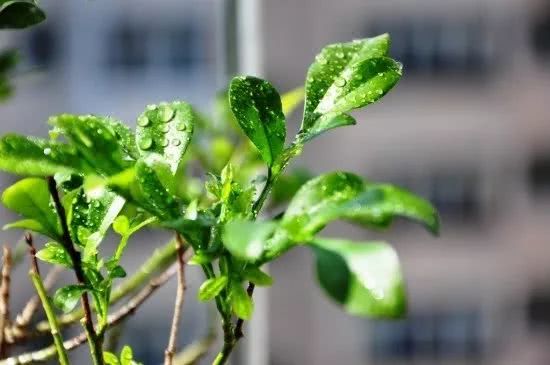
As the saying goes, when it comes to growing flowers, "three parts care, seven parts pruning," which shows just how important pruning is in the process of plant growth. Knowing how to prune and when to prune often lets the flowers you grow grow better and produce more blooms. If you want more flowers, you need to learn to prune correctly.
Regularly pruning a plant's branches and twigs not only makes the plant neater and more beautiful, but also makes its stems and branches sturdier and increases its resistance to pests and diseases. Today, the editor will tell flower lovers how to prune, so anyone who needs it should save this right away~
When to prune branches and twigs
When pruning flowering plants, choosing the time is very important. Generally, the two points each year that are most suitable are the growth period and after the flowering period.
Growth period
Pruning during the plant's growth period can encourage the plant to sprout more new branches, so that it can produce more flowers. Pruning during the growth period can also naturally dwarf the plant, so the shape of the whole plant looks fuller and more beautiful. Note that when pruning, the position should not be too low, to avoid affecting the sprouting of new buds; cutting just above a node is fine.
After the flowering period
After a plant's flowering period is also a good time to prune. We can cut off all the branches and leaves of the withered flower buds, which can encourage the plant to sprout new side buds and produce new flower buds, thereby extending the plant's flowering time. After pruning the branches and twigs, we can apply some fertilizer in an appropriate amount, which can better help it sprout new buds and provide sufficient nutrients for subsequent flowering.
Choosing which branches and twigs to prune
Diseased branches, dead branches
When pruning, which branches and twigs are the ones we should cut off? A plant's dead branches and diseased branches should be cut off. These necrotic dead and diseased branches not only affect the overall appearance of the plant, but also hinder the sprouting of new branches.
Overly dense branches
If your plant at home has a lot of branches and leaves and is growing especially lushly, it also needs appropriate pruning, because if the plant is too dense, it will have a certain impact on its ventilation and air permeability, and it will also affect the light absorption of the bottom branches that are shaded, which in turn affects the plant's flowering. If the plant's roots are not ventilated, it may even induce pathogens.
Leggy branches that do not flower
Some branches grow very long and tall, with large gaps between the leaves, and their growth is relatively weak. These branches are leggy branches. Leggy branches must be pruned off, because they basically will not grow flower buds, and even if they can, the buds are very small. These branches will also compete with other sturdy roots and branches for nutrients, affecting the sprouting and growth of flowers on other plants.
Branches with poor growth
For those branches that grow crookedly or cross each other, we also need to prune them. This is because these branches affect the plant's overall ornamental effect and look very messy. There are also a few branches that grow very tall, and we need to prune those too.
Regularly shaping your plants allows them to grow better and also makes them look fuller and more beautiful.
If you also like growing flowers, then follow us!