How to grow Aspidistra elatior (cast iron plant)? Growing methods and precautions
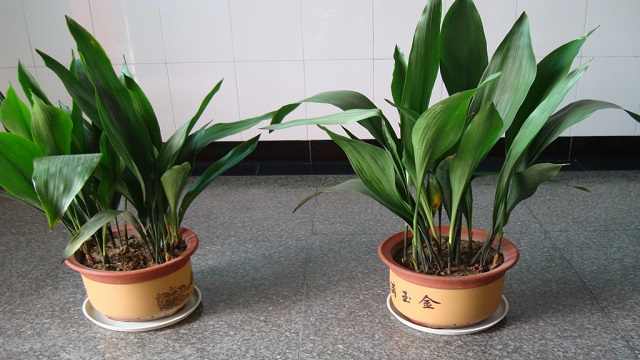
1. Growing environment
(1) Soil: The requirements are not particularly strict, as long as it meets the requirements of being loose, fertile, and acidic. Leaf mold, peat soil, and garden soil can be mixed. If conditions permit, some base fertilizer can also be added.
(2) Watering: Aspidistra elatior likes moisture, especially during the growing period, when the soil must be kept moist. In addition to watering, when evaporation is very high, spraying is also needed, but do not leave too much water on the leaves. After the growing period, the amount of water can be reduced.
(3) Fertilizing: It relatively likes fertilizer, but the needs differ at different stages. During the growing period, apply liquid fertilizer once or twice a month. After the growing period, apply it about once every two months.
(4) Light: Usually, scattered light is enough; do not keep it too dark. It can be placed in a balcony or other place with sufficient light. Shade it when there is direct light.
(5) Temperature: It is best at around 20 degrees. In winter, special attention is needed; place it indoors or in another warm place for care.
(6) Ventilation: Frequently open windows during the day for ventilation to lower indoor humidity, which can effectively prevent some diseases and pests.
2. Disease prevention and control
After disease occurs, do not ignore it; treat it promptly. First cut off the affected parts and clean them up to avoid them affecting other parts. Then spray pesticide two to three times. In addition, the environment must not be too humid.