How to grow Gloxinia? Detailed guide to cultivation methods and precautions
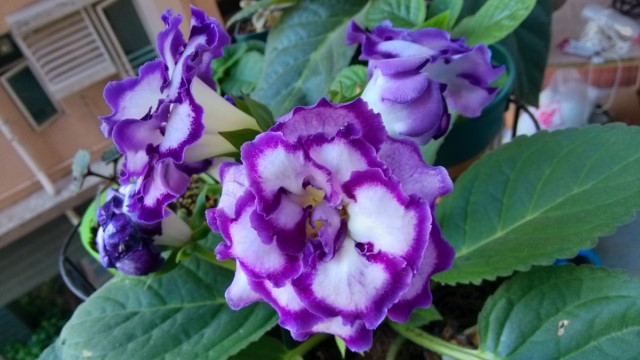
I. Temperature
The suitable growing temperature differs by season. From January to October, the temperature should be kept at 18-25°C; from October to January of the following year, the temperature should be kept at 10-12°C; in winter, the lowest temperature should not drop below 8°C. When the temperature is suitable, its flowers will be more vivid and its leaves will be more lush.
II. Light
It likes a warm, semi-shaded environment. During its growing period, avoid direct summer sunlight. You can place it in a spot with diffused light and adjust it appropriately according to the weather.
III. Watering
Water moderately at ordinary times; do not let it become too dry or too wet, otherwise the leaves will turn yellow. In the hotter summer, increase the amount of watering appropriately, watering 1-2 times a day, and mist appropriately to increase the humidity of the growing environment. In winter, keep the potting soil as dry as possible and not too moist. Note: do not let it be exposed to rain while it is blooming.
IV. Fertilizing
After the leaves unfold and before flowering, apply once every half a month or so a diluted, well-rotted cake fertilizer solution. After flower buds form, add phosphorus fertilizer. When fertilizing, try not to get it on the leaf surface. After fertilizing, you can spray some water to rinse the leaves, and then wipe them dry to prevent rot.
V. Precautions
Common diseases of Gloxinia include stem nematode disease, root rot and gray mold, among others. After infestation, promptly remove the diseased plants and burn them, then spray appropriate chemicals to control the problem.