How to grow orchids? Detailed growing methods and precautions
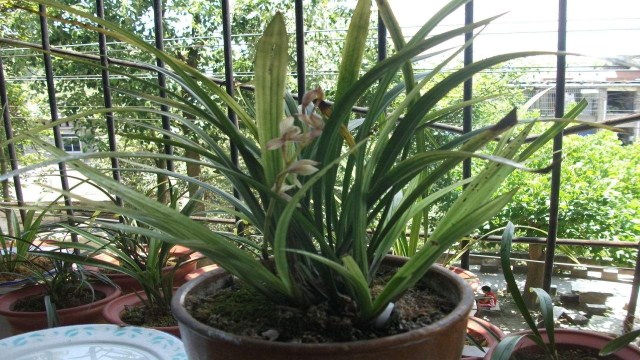
1. Soil
When growing orchids, choose the soil they like, here mainly humus soil. We can buy this kind of soil directly, or cultivate it ourselves. When cultivating it, note that the soil should have good aeration, as this is favorable for its growth.
2. Fertilizing
It likes fertilizer. Before planting it, put some base fertilizer into the growing soil to help it grow faster. Later, during the growing period, its fertilizer demand will be a bit greater, so be sure to ensure sufficient fertilizer. When applying, choose liquid fertilizer or foliar fertilizer, and make the fertilizer concentration appropriately low.
3. Changing the soil
During the process of growing it, replace the soil once a year at a fixed time, as this is more favorable for its growth. While changing the soil, you can also apply additional fertilizer appropriately, but note that the fertilizer amount should be moderate and not too much, to prevent burning the roots.
4. Watering
Watering is very important for it. If the temperature is relatively high in summer, water evaporates rather quickly, so you can water it once a day. If it is spring and autumn, you can water once every two or three days. If it is winter, water less or not at all, to prevent cold damage.
5. Temperature
It has extremely high requirements for temperature; it cannot be too high or too low. In winter, place it indoors, and note to open the windows for ventilation to keep the air flowing, and the temperature must not be too low. In summer, shade it appropriately, and do not let the temperature get too high; it is best to keep it in a cool, ventilated place.
6. Pruning
During its growth process, yellow leaves always appear for various reasons. At this time, we need to cut them off promptly to prevent the loss of water and nutrients, so that it can grow better.
7. Light
It likes light very much. The more light it gets, the more vivid its leaf color will be and the sturdier its stems will be, but do not let it be exposed to strong sunlight; only scattered light is needed.