Magnolia cultivation methods and precautions
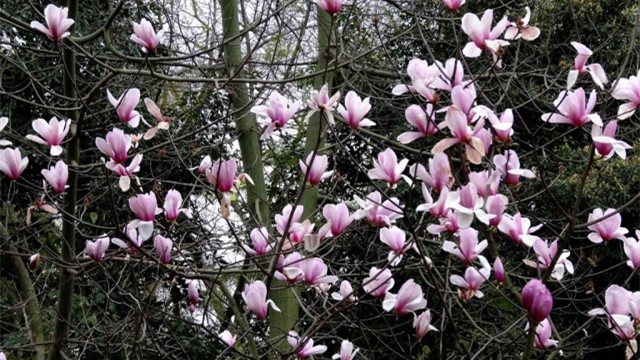
1. Soil
Magnolia prefers fertile, well-drained, slightly acidic soil. Soil that is too heavy and clayey has poor aeration and drainage, both of which are unfavorable for its growth.
2. Watering
The roots of magnolia are fleshy roots, so never water too much. Water once a day in summer and spring to keep the soil moist; when temperatures are higher, water in both the morning and evening. In autumn, reduce the amount of watering; this allows the branches to mature further, can delay rooting, and helps it overwinter better. Once winter arrives, stop watering; when the soil is relatively dry, you may water once.
3. Light
Magnolia is suited to a sunny environment and needs sunlight every day, especially during the growing season, when it needs long hours of light. You can also place it directly on a balcony that receives sunlight, ensuring at least 6 hours of light. Being in a shady spot for a long time is unfavorable for its flowering. In the hot summer, you can shade it appropriately and spray some water on the ground or around it to achieve a cooling effect; this can also raise the humidity in the air, which helps it grow better.
4. Fertilizing
Fertilizing appropriately can help it grow better, but never fertilize excessively. Fertilizing twice during the growing season can help it grow; apply fertilizer once in early spring and once in May-June. Generally, use decomposed organic fertilizer. Newly planted ones do not need fertilizing; wait until after the leaves fall or the following summer to fertilize.