How to Grow Cherry Blossoms: Detailed Guide to Cultivation Methods and Precautions
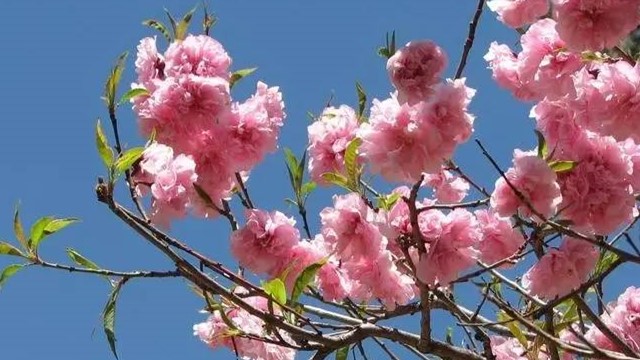
1. Soil
Cherry blossoms are suited to loose, sandy soil with good drainage. It is best not to use heavy clay soil; you can use homemade leaf mold to plant them.
2. Watering
Cherry blossoms are fairly drought-tolerant, so they do not need overly frequent watering. Watering must be done sensibly, and each watering should be thorough; the soil must not be overly wet or have standing water, because once water accumulates it very easily causes root rot. They like a relatively humid environment, so the soil should always be kept moist, watering about once every 3 days or so. In hotter seasons, water once in the morning and once in the evening, and it is also very necessary to spray water around them appropriately to increase air humidity; in winter, reduce the amount of watering, generally once every 15 days.
3. Fertilizing
Applying fertilizer twice a year is enough, and acidic fertilizer should generally be chosen. The first is winter fertilizer: apply fully decomposed fertilizer in winter or early spring. The second is after the flowers fall, when a quick-acting fertilizer can be applied.
4. Sunlight
Cherry blossoms like warmth and sunlight, and they are suited to growing in a spot with plenty of sunlight. In winter, you can move them indoors, which can make them bloom earlier.
5. Precautions
1. Disease: Leaf blight is very common; brown spots appear on the leaves and can also cause diseased leaves to wither and die, so diseased leaves should be pruned off promptly.
2. Pests: Common pests include red spider mites and scale insects. After discovering pests, spray with pesticides. Some pesticides can cause phytotoxicity to them, so take care to choose suitable pesticides.