If aloe leaves turn reddish-brown, pay attention - it may be sick
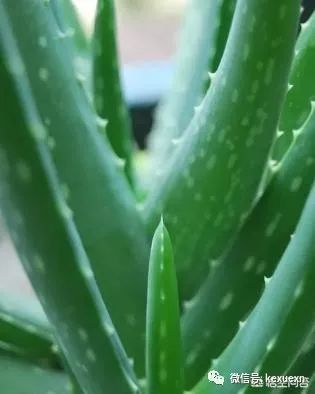
Aloe is very suitable for growing at home, and many plant lovers enjoy growing aloe because it can absorb harmful gases indoors. However, various problems still arise during the process of growing aloe, such as the aloe leaves mentioned by plant lovers inexplicably turning brownish-red. Below, Xiaonong will chat with everyone about the problem of aloe leaf discoloration.
Reasons for aloe leaf discoloration
Drought
Aloe is a succulent plant, very drought-tolerant and very easy to grow. But some plant lovers are very lazy and often forget to water their aloe. Aloe that has been in a water-deficient state for a long time will experience leaf discoloration. Especially in summer when evaporation is very strong, when the potting soil of the aloe can no longer hold together, it means it is already short of water. At this time, plant lovers need to replenish water in time and water thoroughly at once. Generally, the aloe leaves will return to normal in three to five days.
Overwatering
Drought is no good, and waterlogging naturally is no good either. Many plant lovers, especially first-time growers, are very prone to overflowing with love, and their daily must-do task is to water the flowers and plants. But aloe is a succulent plant, and its roots are fleshy. Water accumulating in the pot very easily causes root rot. Root rot easily leads to the leaves being unable to absorb nutrients, causing discoloration.
At this time, you need to check the root growth of the aloe in time, cut off the roots that have already rotted, and replace the soil and replant.
Excessive sun exposure
Many plant lovers say that aloe grown indoors very easily becomes leggy, with leaves that are not compact and are also very thin. So growing it in sunlight is still quite good. But aloe that has been growing indoors for a long time is very delicate. If it is suddenly placed outside to grow exposed, it very easily causes a stress response in the leaves, resulting in sunburn and the leaves turning brownish-red. At this time, it is best to move it to a shady place and let the leaves repair themselves naturally. Usually, just placing the aloe on an indoor balcony is enough.
Freeze damage
Aloe originated in tropical regions, and its drought tolerance is relatively poor, but plant lovers in the north have relatively low winter temperatures, especially in places with insufficient heating. When the temperature is below 5 degrees, aloe leaves are prone to freeze damage. Aloe leaves with freeze damage will turn black and yellow. At this time, you need to take warming measures for the aloe in time and move it indoors for care promptly.