Don't be too soft-hearted when disbudding roses - removing these small buds is what gives you strong branches and more flowers
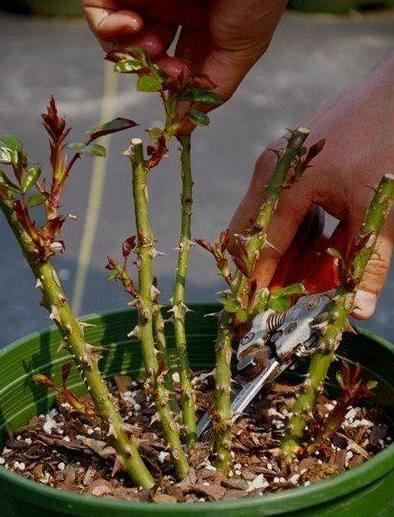
Why should you disbud roses?
Disbudding is done to regulate the supply of nutrients and concentrate them on feeding the thick, strong buds, so we need to control the density of the branches and maintain the plant's shape.
Therefore, we choose to remove all the excess buds on this branch, and this is called disbudding.
Disbudding should be done when the buds have grown to about three centimeters. For example, if two to three buds appear, we keep one strong bud and remove all the other excess buds directly.
In particular, inward-facing buds and weak buds must be removed, and the distance between buds should be kept at about five centimeters.
The reasons why roses only grow branches without blooming can be summed up roughly as the following situations:
The growing environment has insufficient light, is too shady and poorly ventilated, which affects flower bud formation.
The soil is poor and lacks fertilizer, especially phosphorus fertilizer, which affects flower bud differentiation, so it cannot bloom normally.
Insufficient water will on one hand cause malnutrition in roses, and on the other hand in summer it will cause high-temperature scorching, wilting leaves, and thereby affect rose blooming.
Long-term lack of pruning, too many branches, and scattered nutrients also easily affect flower bud formation.
Winter pruning of climbing roses:
For climbing roses 2-3 years old, pruning generally only requires removing old, weak, diseased, and damaged branches as well as blind branches and dry, dead branches. Unless there are special circumstances, all other branches should be retained, and flowering branches should be cut back, leaving about 3 buds.
Climbing roses more than 3 years old need, on this basis, to have some old branches pruned. These old branches can grow too few flowering branches the following spring, will waste nutrients for nothing, and affect the number of blooms, so they must be cut off. This helps reduce the density of the plant's branches, reduce pests and diseases caused by poor ventilation, and encourage the plant to grow new main stems.