Kalanchoe cuttings grow new leaves just four days after planting, and the neighbors all come asking for the method
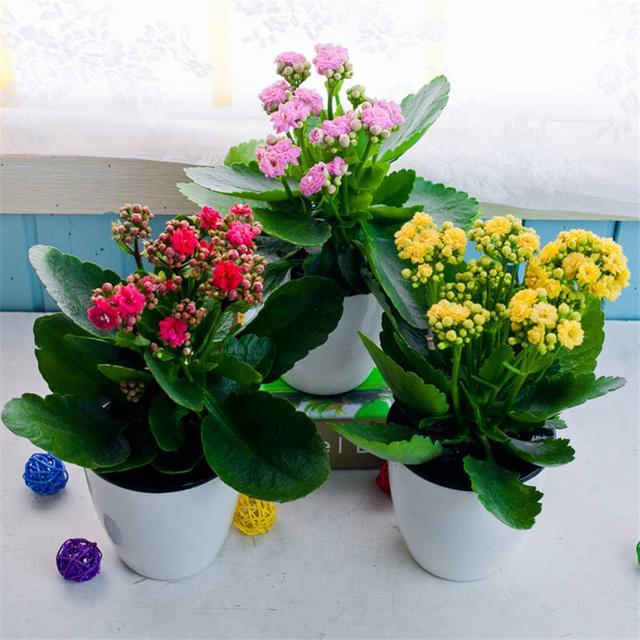
Some kalanchoes grow too tall, which actually makes them less likely to bloom. We can cut them into segments of about 7 cm each, remove the leaves from the lower part of the stem, place them in a shaded, ventilated spot, let the wounds dry slightly, and then proceed with cutting propagation.
If the cut branches are stored for a few days, they are more likely to survive. As long as a branch has two leaves, it will root very easily. Do not bury the leaves. You can insert them as densely as possible. After inserting, water thoroughly. In later care, alternate between dry and moist conditions, and err on the side of dry rather than wet.
If you want kalanchoe to bloom, pruning is also necessary. When pinching and topping the kalanchoe, the cut branches and leaves can be used for propagation. They root quickly and the survival rate is very high.
Kalanchoe easily grows aerial roots in humid air. If you want to use branches for cuttings, it is best to choose branches that have aerial roots, or choose thicker, sturdier branches. Choose branches like these
Isn't kalanchoe cutting especially easy? Because kalanchoe cuttings have a high survival rate, gardening friends can go ahead and take cuttings freely. After cutting, they can be placed in a cool, ventilated spot to rest for a few days, which helps them survive.
Generally, at noon on a calm, clear, warm day, when the temperature reaches 15°C, move it outdoors so it can be exposed to sunlight and fresh air, and gradually extend the time it is kept outdoors until it adapts to the outdoor environment and climate, so as to restore the vigorous growth of the clivia and make the clivia plant short and sturdy.
Kalanchoe is not strict about soil requirements, and fertile sandy loam is best. Of course, you can also make your own soil with relatively high nutrients, for example by mixing leaf mold, garden soil, and river sand in a ratio of 1:1:2
For leaf cuttings, choose some larger, healthy leaves, and also be careful not to damage the leaf stalks. Finally, we need to dry the leaves in the sun, because we need to dry the cut ends of the leaves, so that leaf cuttings can be done properly.