Propagate camellias in May: cut a branch, stick it in water, and it roots in 10 days - fast and easy
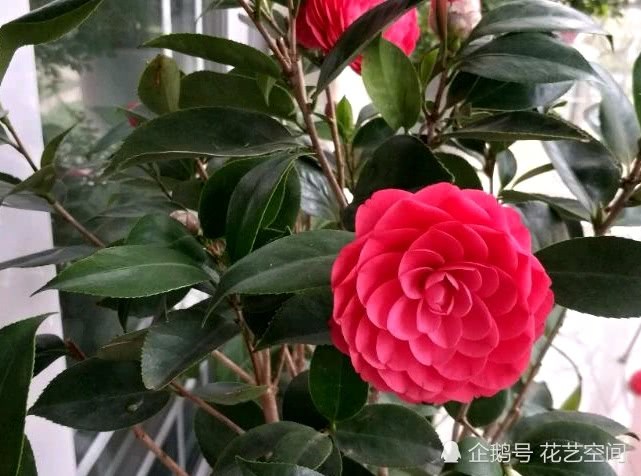
Camellia is one of China's top ten famous flowers. It has a wide variety of cultivars, bright colors, a long blooming period and outstanding ornamental value, making it the first choice for indoor potted plants. I believe many people are very fond of camellias!
May is also a great season for propagating camellias. Cut a branch, stick it in water, and it will root in 10 days - fast and easy. For friends who want to propagate camellias, choosing the right season is very important.
In mid-May, the climate and temperature of the current season are very suitable for propagating camellias, with fast rooting and a very high survival rate.
Cut a healthy camellia branch into sections about 10 cm long, keep two leaves at the top, soak it in rooting solution for 10 minutes, then insert it into water, and it will root in about 10 days.
But note that you cannot use tap water directly. It is recommended to let it sit for two days before use, and during this period keep the water clean and hygienic. If contamination appears or green algae grows, replace the water promptly and clean the bottle.
When the roots grow to 5 to 8 cm, you can repot it. For the potting soil, choose a loose, fertile, well-draining sandy soil.
Care after repotting
After repotting, first place it in a cool spot with indirect light. When the leaves are no longer soft and it has fully resumed growth, you can place it in a bright spot with indirect light. The temperature is relatively high in the current season, so it must not be exposed to direct sunlight.
When caring for camellias in summer, do not water heavily. You can mist the leaves every day to keep them moist, because camellias are very afraid of waterlogging, so misting instead of watering is also fine. Or place water in a tray, and the pot will absorb water through the gaps.
During the peak growing season, you can try a dilute fertilizer solution once every few days. After July and August, stop fertilizing, as the temperature is too high and can easily cause root rot. In the early stage of blooming and bud formation, focus on phosphorus and potassium fertilizers, which can promote full blooming and help keep the flowers fresh.
After the flowers fade, promptly prune the flowering branches to avoid consuming too many nutrients, so as to promote new buds to sprout and encourage a second bloom.
That's all for today's sharing!
Feel free to leave a comment and share your experience!
If you like the editor, remember to follow!