Watermelon rind for growing flowers: Grandma Sun's plants have glossy green leaves and blooms bigger than a bowl's rim
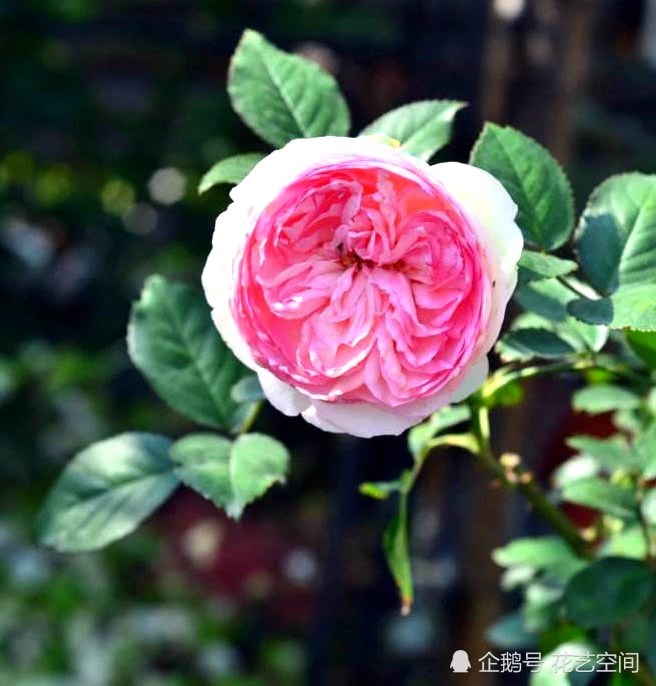
Many everyday things can be used to grow flowers, such as fruit peels, vegetable leaves, tree leaves, bones, crushed eggshells and so on; once decomposed, they are all wonderful treasures for growing flowers. But have you ever heard of using watermelon rind to grow flowers? Next door, Grandma Sun uses watermelon rind to grow flowers, and her leaves look like they have been painted with green lacquer, with blooms even bigger than a bowl's rim. I'm so envious just looking at them!
So what exactly is going on?
It turns out that watermelon rind contains many nutrients, including 0.2% phosphorus, 03% calcium, 0.6% protein, 0.2% fat, and some trace elements. Watermelon rind is not only edible, but can also be used as a beauty material to make skin whiter and smoother, and can also be used as fish food. At the same time, it can also be used as flower fertilizer with very good results. Its functions are truly very comprehensive.
But watermelon rind must not be buried directly into the soil. If it is buried in the soil without being fermented and rotted first, it very easily breeds maggots and small flying insects, polluting the environment.
So the watermelon rind should be chopped up, put into a container with water, and fermented for one to two months. When watering the flowers, add some of it at the same time, and it can make the leaves even more glossy green, just like freshly painted lacquer, and the flowers both vivid and huge.
For example, Chinese roses, gardenias, azaleas and so on: during their growing season, you can water them with it 2 to 3 times a month, and the flowers will be both fresh and large, and full of fragrance too!
Now a brief introduction to how to care for these 4 kinds of flowers
Chinese rose
If you want Chinese roses to bloom abundantly, they need to grow many new shoots and many branches. So in daily care, prune diligently, cutting away weak-growing branches, diseased branches, old branches and so on. This avoids consuming too many nutrients and at the same time can promote the sprouting of new buds.
Gardenia
Gardenias like acidic soil and like light, and they also have high water requirements, so they need to be placed in a spot at home with plenty of light and good ventilation. During the growing season, you can apply a diluted fertilizer water once every 10 days to promote growth and flowering.
Azalea
To grow azaleas, place them in a bright spot at home with indirect light. In summer, you can water in the morning and evening, and spray water on the leaves to keep them moist. When caring for azaleas, you also need to pay attention to pruning; if they are so dense that light cannot pass through, that is also bad for growth and flowering.
That is all for today's sharing!