8 Toxic Succulents That Can Be Seriously Fatal, Be Careful If You Keep Them at Home
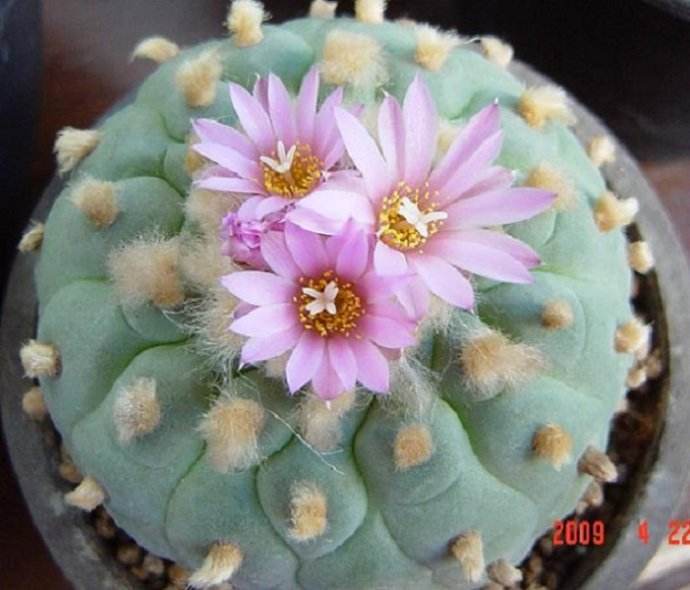
What? Those adorable succulents are actually toxic? Yes, you heard that right. Some types of succulents contain alkaloids that can cause hallucinations, and in severe cases, lead to poisoning. Do you have any of these eight succulents at home? Let's take a look, and be sure to pay close attention!
Lophophora williamsii (Peyote)
Lophophora williamsii contains mescaline alkaloids, which can cause hallucinations and lead to neurological damage, and in severe cases, death. The appearance of this plant is truly... but its price is exceptionally high, so few households grow it, and there is not much to worry about.
Growing precautions:
1. For ornamental purposes only, never consume it;
2. Keep it away from the elderly and children, and do not let the sap touch broken skin.
Lophophora williamsii (Peyote)
Lophophora williamsii contains mescaline alkaloids, which belong to the hallucinogenic class of drugs. You heard that right, it is a drug! Ingesting it by mistake can cause auditory hallucinations, and in severe cases, death.
Growing precautions:
1. For ornamental purposes only, do not ingest by mistake.
2. Overseas purchases must have a license, otherwise it is illegal!
Euphorbia neriifolia (Indian Spurge Tree)
This green plant is Euphorbia neriifolia. Its milky white sap contains toxic proteins, alkaloids and other substances. When the sap touches the skin, it causes redness and swelling; when it touches broken skin, it can cause severe poisoning!
Growing precautions
1. For ornamental purposes only, do not ingest by mistake, and keep it away from the elderly and children:
2. When pruning Euphorbia neriifolia, be sure to wear gloves to prevent the sap from contacting the skin.
Euphorbia trigona (Dragon Bone)
The milky white sap of Euphorbia trigona contains relatively strong toxins. When it touches healthy skin, it causes swelling, itching and other symptoms; when broken skin comes into contact with it, it causes poisoning; if ingested by mistake, the lips quickly go numb all over and it can cause hallucinations.
Growing precautions:
1. Never let the sap touch the skin.
2. If it gets on the skin, immediately rinse with plenty of clean water. If it accidentally gets into the eyes, immediately rinse with eye drops and seek medical attention right away.
Euphorbia tirucalli (Pencil Tree)
The sap of Euphorbia tirucalli contains toxic proteins and diterpenoid compounds. These two types of substances are toxic and can cause skin allergy symptoms. If broken skin comes into contact with it, it can cause poisoning.
Growing precautions
1. Do not directly touch the sap of Euphorbia tirucalli, and be sure to wear gloves for protection when handling it,
2. Do not let the elderly and children come into contact with it.
Crassulaceae Tylecodon Succulents
Eighty percent of succulents in the Crassulaceae family, genus Tylecodon, are toxic. This type of succulent contains toad venom and bile acid components. Even a trace amount can cause neurological disorders, and in severe cases, can lead to coma or death.
Growing precautions
1. Never let the sap touch the skin
2. Do not let children and the elderly come into contact with it.
Crassula ovata (Jade Plant)
The sap of Crassula ovata contains euphorbin, a substance that can cause skin itching, redness and swelling and other skin conditions.
Growing precautions
1. Do not let the elderly and children come into contact with it
2. Reduce watering in winter, and maintain sufficient sunlight exposure, which can extend the flowering period.
Euphorbia milii (Crown of Thorns)
Euphorbia milii is even more frightening. The toxins in its sap can cause a series of skin conditions, and its exterior has thorns that can easily puncture the skin.
Growing precautions:
1. Place it somewhere the elderly and children cannot reach.
2. Maintain sufficient sunlight all day, and provide appropriate shade in summer.
These succulents are basically only toxic when you come into contact with their sap.
So do not be overly nervous,
just take good protective measures.