What to do when succulent leaves turn to water? Do this to effectively prevent black rot
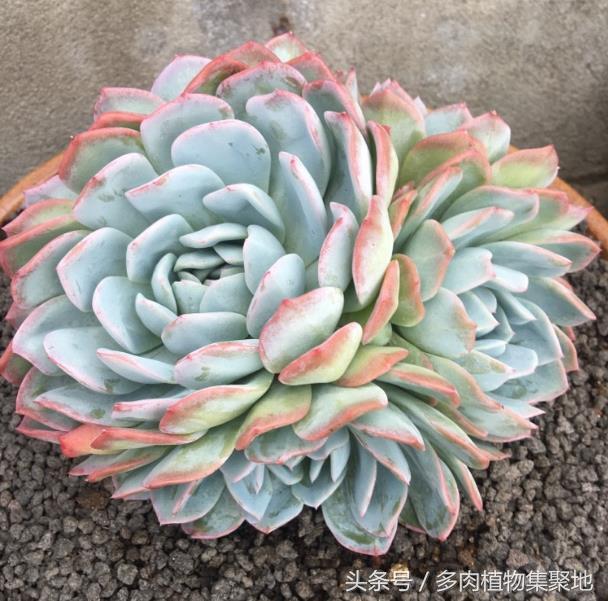
Although succulents are beautiful, their lives are sometimes very delicate, and succulents can develop all kinds of problems, one of which is turning to water. Gardeners sometimes find that their succulents' leaves have mysteriously turned to water. Usually the succulents are kept on the balcony, where the ventilation is fairly good. Then one day the succulents were found to have turned to water. These past few days the highest temperature was only around 25°C, there was no rain, no high temperatures, and no watering, so why did problems suddenly appear?
Generally speaking, a succulent that turns to water usually starts with the leaves. The leaves begin to become transparent, which is a sign that the leaves are about to turn to water. If the whole succulent gradually becomes transparent, that means the whole plant is turning to water. To know how to treat a succulent that has turned to water, you need to know the cause. Turning to water, as the name suggests, means the succulent has too much water. Most succulents are plants that grow in deserts, where water is scarce year-round, so as long as there is water, succulents will desperately absorb it. When succulents are cultivated by humans, the environment is not so harsh, water is too plentiful, and the succulent may absorb too much water, resulting in turning to water.
Poorly breathable potting soil or poor ventilation can cause succulent leaves to turn to water. When the roots are suffocated and watering is excessive, the roots cannot carry out aerobic respiration, and turning to water easily occurs. Too great a change in the environment, such as a sudden change in temperature or too long a period of water control in winter followed by a sudden thorough watering in spring, can also cause succulents to turn to water because they cannot adapt all at once.
Plants in the Crassulaceae family have a metabolic method in which they close their stomata during the day to reduce water transpiration. At this time, if too much water is absorbed, under high temperatures they will expand with heat and contract with cold, bursting the cell walls, which is why we see leaves turning to water. Generally, leaves that turn to water are rather plump and already contain a lot of water, so if they absorb even more water, the possibility of turning to water becomes even greater.
If a succulent shows signs of turning to water, what we need to do is assess the degree of turning to water. There are mainly three levels. The first is when only a few leaves at the bottom are transparent. The second is when the leaf core of the succulent has already become transparent and shows symptoms of turning to water. The third is when the roots and stem of the whole plant have already shown transparent symptoms. If only a few leaves have turned to water, first place the succulent in a ventilated spot with diffused light. If many leaves have turned to water, remove the leaves that have turned to water, provide ventilation, and give more sunlight. If the stem has already turned to water and developed black rot, quickly behead it and re-root it. During normal care, also pay attention to supplementing the succulent's nutrition. Only with a strong body is resistance strong.
When succulent leaves turn to water, black rot easily develops. If black rot appears, immediately remove the black rot area, because it will spread, and for succulents it is a terminal disease. As soon as you see blackened leaves that have turned to water, do not hesitate, remove them, and then disinfect with carbendazim. Before early summer, while high temperatures have not yet arrived, you should give succulents a little phosphorus and potassium fertilizer to improve their own resistance, mix an appropriate amount of fungicide into the water to purify the internal soil environment, and increase appropriate and necessary light and bottom ventilation to accelerate internal metabolism and nutrient exchange.
This is a gathering place for succulent lovers, sharing succulent care tips. You are welcome to follow and exchange ideas.