Repot your potted gardenia this way to easily avoid yellow leaves
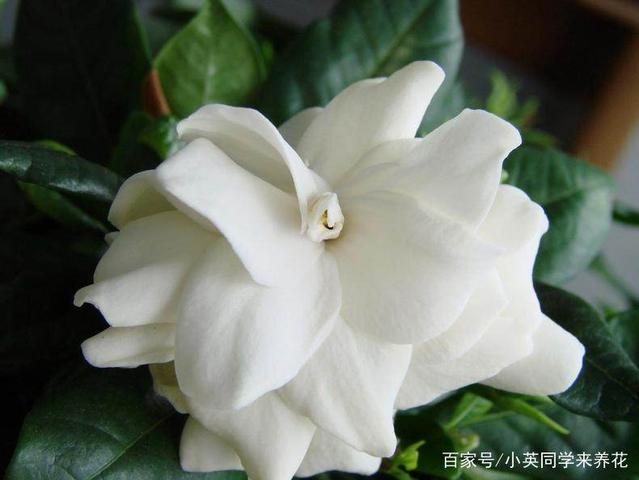
How to repot a gardenia, let's take a look together, once you learn it yellow leaves will be far away! I think the gardenia must be one of the houseplant varieties with the most intensely fragrant flowers. This fragrance is completely different from that of roses; although roses have many varieties, the ones whose scent can match the gardenia's are rare. It's just that roses have richer flower colors. Judging by scent alone, keeping a few pots of gardenia at home is enough.
If you want your gardenia to bloom more and have fewer yellow leaves, repotting at the right time may be a good choice. So how should we repot such a big pot of gardenia? Let's take a look together!
Gardenia repotting is generally started after the flowers fade; do not repot ones with flower buds, otherwise the flowers will easily drop. After the flowers fade, we can choose the method of removing the soil and repotting.
1. Remove the original soil; you can shake it gently or wash it with water. If you find rotten roots, remove them completely. After washing clean, it is best to soak them in a carbendazim solution for 30 minutes, which can have a disinfecting effect.
2. After washing clean, you can start potting. We need to choose good soil; changing the soil is the foundation for solving long-term yellow leaves in gardenia. Choose soil with an acidic pH, high organic matter, and good water retention.
3. Settling water
After potting, water thoroughly once with settling water; you can use tap water or an organic nutrient solution diluted 3000 times. Organic nutrient solution is relatively mild, and when diluted more than 3000 times it can be used as settling water. It has the effect of promoting root growth.
4. Fertilize after 10 days
Before that, shading treatment is needed, placing it in a ventilated and relatively cool place. Once new buds begin to appear, you can start applying fertilizer. In the early stage, still focus on organic nutrient solution to promote roots, then add granular fertilizer, generally a balanced one.
In the later stage, it basically relies on fertilizing and watering; with watering well controlled, the gardenia will grow easily and bloom quickly. After repotting, the yellow-leaf situation of the gardenia will be greatly improved; a pot of lush green gardenia comes about just like this.