This new potted favorite is even more beautiful than cherry blossoms, and more vivid than peach blossoms
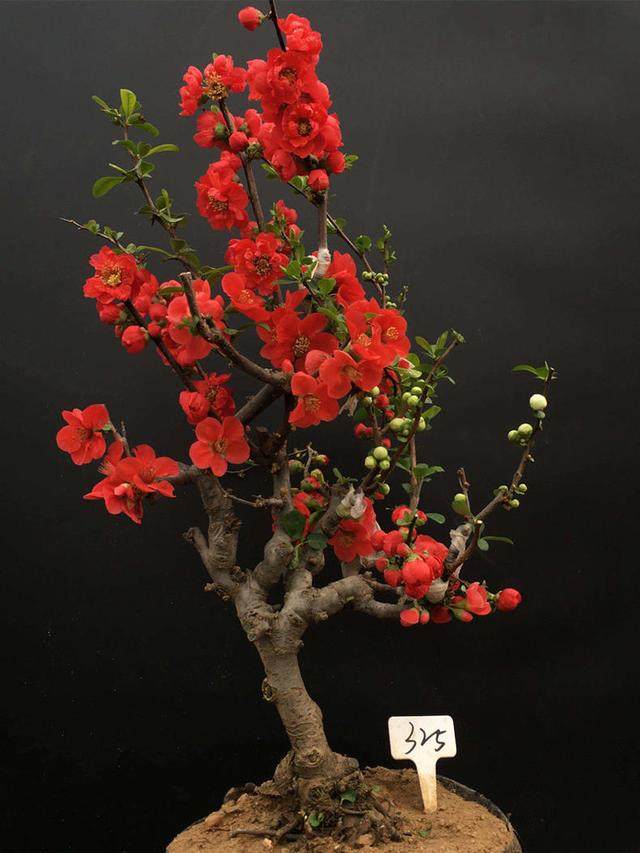
The crabapple tree has a graceful form, with splendid spring blossoms, and after autumn arrives, golden fruit fills the tree with a captivating fragrance. Since ancient times, it has been a famous flower enjoyed by both refined and popular tastes, and the crabapple has long been known as the "national beauty." The crabapple flowers by the roadside have bloomed, looking pitiable after the rain, making you truly want to pot one yourself. Look at its flowers - this little gardener thinks they are even more beautiful than cherry blossoms, and more vivid than peach blossoms.
Potted crabapple is actually quite feasible. There are now dwarf crabapple varieties that are especially suitable for keeping at home. Although compared to those outside, they are a bit shorter and smaller, they bloom even more abundantly. Let us learn about how to care for potted crabapple. There are many crabapple varieties; taking the Hall crabapple (Malus halliana) as an example, the key care points are as follows:
— —
Choosing a pot
You can choose a pot according to personal preference - a relatively deep rectangular, oval, square, or round pot will do. The pot material can be purple clay or glazed ceramic; as long as it ensures breathability and drainage, it is a good pot.
— —
Soil mix
Potted crabapples all prefer slightly acidic soil, so you can use slightly acidic or neutral soil, with loose, fertile, well-draining leaf mold and garden soil being the best. If growing your own, you need to lay a layer of sandy soil or vermiculite at the bottom of the pot to aid drainage; crushed coal cinders or broken bricks also work, mainly to save money.
— —
Watering
Crabapple likes somewhat moist soil. During the spring and summer growing season, the potting soil should not be too dry. During the flowering period, keep sufficient moisture. In winter, the potting soil should be on the drier side, avoiding waterlogging and rain. In hot summer weather, spray the leaves to raise air humidity, which benefits crabapple growth.
— —
Fertilizing
During the growing season, potted crabapple should be fertilized once every 10 days with diluted Huadongde fertilizer water. Be sure to remember to fertilize when the crabapple sprouts in early spring and when it sheds leaves in autumn. If the crabapple is deficient in iron, you can spray ferrous sulfate to supplement iron. If it is deficient in magnesium, you can apply some fertilizer containing magnesium. However, do not fertilize during the plum rain season.
— —
Pruning
When the branches and leaves of the crabapple are overly vigorous, the leaves absorb a large amount of nutrients, causing the crabapple to bloom less or not bloom at all, so the branches and leaves must be pruned regularly. Cut off those remnant branches, weak branches, overly luxuriant branches and leaves, and branches and leaves that do not quite fit the overall shape.
After pruning, use wire to fix the shape, and be sure to remove it in time to avoid "wire embedding." If the branches cannot bear the weight and tend to topple, use thin bamboo to set up supports to hold the branches. Every two or three years, loosen the soil around the crabapple in spring. If the plant is too tall, prune the longer branches and leaves.
Although the crabapple is beautiful, this beauty only appears under careful care. If it is neglected, it will not bloom well. Since we have chosen to grow it, we must take good responsibility for it. Hurry and pick out the tips mentioned above.