3 Spider Plant Care Tips: Bigger, Greener Leaves and Vigorous Growth
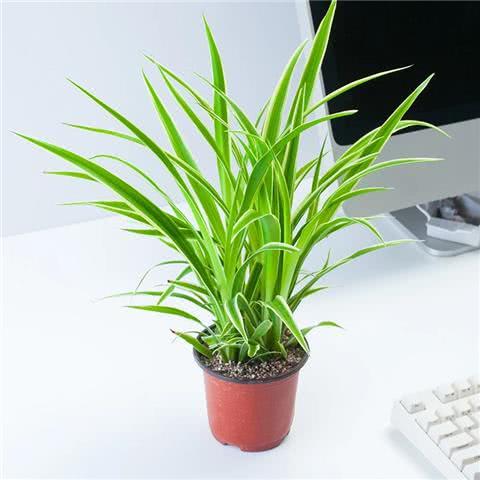
Many people grow spider plants, but how do you care for one properly? Seeing other people's spider plants so lush and bursting out of their pots makes you envious. Here are 3 methods for growing spider plants well, take a look!
How do you care for a spider plant properly?
(1) Change the soil and repot:
Spider plants are usually repotted in March each year, when the temperature is more suitable and favorable for their growth. When taking the spider plant out of its pot, trim and clear away the rotted and old roots, and cut off the withered and old leaves as well. Prepare a loose, breathable potting soil rich in humus; you can mix leaf mold, garden soil and river sand in equal parts as the growing medium, then add decomposed cake fertilizer as a base fertilizer, which helps the roots grow stronger. After planting, place it in a semi-shady, warm spot to recover.
(2) Fertilize reasonably:
Spider plants can be given a moderate amount of foliage fertilizer, mainly with frequent, diluted applications, which lets them grow vigorously. During the growing season, apply liquid fertilizer once every 2 weeks. For variegated varieties, apply less nitrogen fertilizer; in winter, when temperatures are low, stop fertilizing. Using well-fermented organic fertilizer made from bone meal and eggshells, apply the diluted solution once every 10-15 days, which keeps the leaves glossy green and shiny.
(3) Water appropriately:
The peak growing period for spider plants is from March to September, when their demand for water is high, so ensure sufficient moisture by increasing both the amount and frequency of watering, keeping the potting soil moist. In autumn, reduce watering to improve cold resistance. In summer, water twice a day, generally misting the leaves and stems around midday and in the evening to keep the plant moist and prevent the leaves from drying out. In spring and autumn, water once a day. In winter, reduce watering to once every 4-5 days.