Tea plants can also be grown as bonsai; keep one at home and the whole house fills with tea fragrance
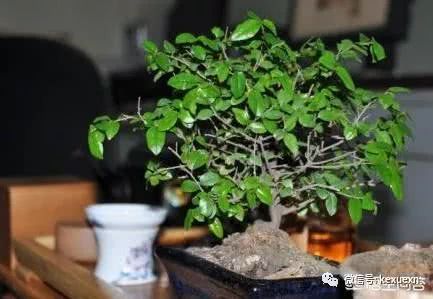
Growing tea plants as potted bonsai is really a great idea from gardening enthusiasts, since this way you can both admire the tea leaves and drink tea you grew yourself, and it is very fresh too. Just thinking about it makes it a wonderful thing. Here Science Xingnong shares with everyone how to grow tea plants as potted bonsai.
1. Growth habits of the tea plant
To grow a tea plant bonsai well, the first step is naturally to understand the tea plant's growth habits clearly. The tea plant has a very long history of cultivation in China, and there are also very many varieties of tea plant, though most tea plants grow in places such as the hills and mountainous areas of the south. The tea plant likes fertile, sandy, acidic soil, and has relatively strict requirements for water and light. It is suitable for growing in an environment of around 20 degrees.
2. Potted planting
Tea plant seedling: First you need to buy a tea plant seedling. Tea plant seedlings are fairly easy to buy; you can directly search online and there will be many shops selling tea plant seedlings. If you want to grow it as a bonsai, you can buy some old tea plant stumps, tea plants with relatively good shape. Besides buying online, you can also go to a tea garden to buy some small tea seedlings.
Soil mixing: Next is mixing the soil. The tea plant likes sandy soil, and the soil's organic matter should be rich. Also, the tea plant is relatively suited to growing in soil with a pH between 4.5 and 6.5, so if you are in the north, ordinary garden soil is generally alkaline and very unsuitable for the tea plant. You can choose leaf mold, perlite, and rice husk ash, and mix the soil in a ratio of 6 to 3 to 1, or add some fine sandy soil, etc. Rice husk ash is weakly alkaline, so use it in moderation.
Flower pot: For the flower pot, choose a clay pot with relatively good breathability; it is best not to use a porcelain flower pot, as porcelain flower pots have poor breathability. The size of the flower pot is determined by the size of the tea plant seedling.
After planting the tea plant seedling, water it thoroughly and move it to a shady place to recover.
3. Care of the tea plant bonsai
Light and temperature: The tea plant has somewhat strict requirements for light; it cannot be too strong, nor too weak. Usually you can place the tea plant under tree shade, so that it receives dappled light. The temperature of the growing environment should be around 20 degrees; in winter, pay attention to keeping it warm.
Pruning: The tea plant is not like other flowers; pruning is needed in spring. Because the tea plant grows relatively slowly, there is no need for a large amount of pruning in spring, to avoid new branches and buds sprouting too slowly. The tea plant generally blooms in summer; pay attention to thinning the flowers to avoid insufficient nutrient supply.
Watering and fertilizing: The tea plant does not need too much watering, as it easily causes root rot. Water less, and mist the leaves more to maintain air humidity. Tea plant fertilizer does not need to be too strong or too frequent; generally once a month is enough. You can apply some diluted ferrous sulfate, or decomposed and diluted fertilizer.