What to do about dry tips and yellow leaves on osmanthus? Master these care tips
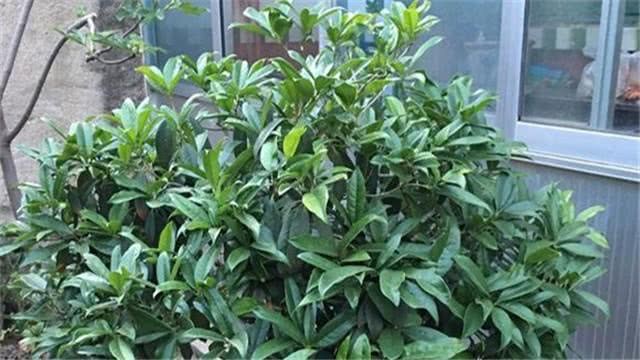
Yellowing leaves on osmanthus require measures targeted at the cause: if it is caused by unsuitable temperature, give it an appropriate temperature; if it is caused by overwatering, reduce watering and do not water until the soil is dry; if it is caused by too little fertilizer or too much fertilizer, fertilize reasonably; if it is caused by unsuitable soil, change the soil appropriately.
1. Appropriate temperature
15-28°C is the optimal temperature for osmanthus growth. If the summer temperature is too high and no cooling treatment is carried out, or if it is still left in the sun to bake, its leaves will easily turn yellow. If the winter temperature is too low and no appropriate insulation measures are taken, its leaves will also turn yellow. Therefore, when growing osmanthus, pay attention to cooling in summer by placing it in a relatively shady spot, and pay attention to keeping it warm in winter by moving it indoors.
2. Reasonable watering
This flower is not tolerant of waterlogging. Once it is watered too much, it easily leads to root rot, and root rot will inevitably cause yellow leaves. Therefore, when planting this plant, be sure to choose loose soil with good drainage. In addition, do not water too frequently in daily care, and do not water too much at one time. Just water after the potting soil has dried.
3. Correct fertilizing
If there is too little fertilizer, it will cause yellow leaves on this plant, so during its growing period we should apply fertilizer reasonably. Both liquid fertilizer and compound fertilizer are fine, but note that the concentration applied must not be too high. In addition, we should repot and change the soil in time to ensure the potting soil does not become compacted and that there are enough nutrients in the soil. It is worth noting that when fertilizing, do not be impatient. Applying too much fertilizer at one time or using too high a concentration is not good for its growth and may even cause root burn and yellow leaves.
4. Changing the soil
Relatively speaking, it prefers slightly acidic soil. If the soil is alkaline or becomes alkalized, the leaves of this plant may turn yellow. To maintain soil acidity, you can mix a little ferrous sulfate or leftover beer into the water when watering. Likewise, note that both the ferrous sulfate solution and the beer must be diluted, and the concentration must not be too high.