Appreciating rock-attached bonsai: when trees meet stones, a unique beauty is created
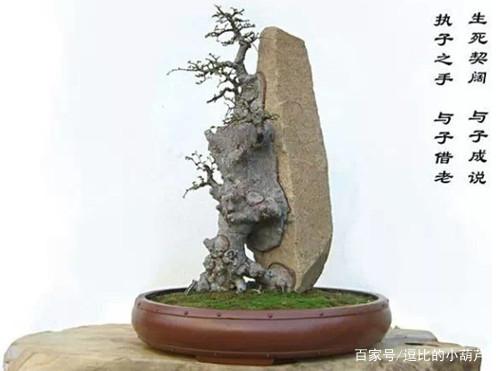
When a tree meets a stone, what miracle is created? This is rock-attached bonsai. Rock-attached bonsai is a bonsai shaping art, in which stone, tree and stone-tree form one integrated whole. This kind of potted plant attaches the tree to the stone, with the roots extending onto the stone.
Attached-stone bonsai reflects the natural characteristics of trees on rocks. It is an exaggerated yet distinctive image of a tree clinging tenaciously in a stone crevice or on a peak rock, rich in content and profound in artistic conception. At the same time, it can also make up for the natural defects of bonsai trees, such as bonsai with trunks that are too tall, and it is a form most loved by bonsai enthusiasts. Rock-attached bonsai has graceful shapes, ingenious designs, diverse forms, simple production, easy mastery and a short cycle, and is deeply welcomed by the public.
The success of rock-attached bonsai is full of wit and humor, giving people a gorgeous artistic enjoyment. Bonsai can fully display the beauty of tree roots, the combination of tree and stone, the tenacious struggling spirit of the tree, and a demonstration of cultivation skills.
In life, people who are good at savoring beauty often like to create artistic bonsai at home to cultivate their character. Generally speaking, bonsai are mainly a flower or a clump of grass, or a stone. There are almost no bonsai trees on stones.
Generally speaking, there are two types of rock-attached bonsai. For water-attached stone, such as water-absorbing stone, water-absorbing stone, sandstone, etc., holes are drilled at the position where the tree is to be planted, and the first form of tree is mostly used: first insert the tree roots into the stone hole, fill the stone hole with crushed stone, and stick it together with bamboo skewers. Soak the soil and the tree with roots, the sprayed soil and the stone thoroughly, then place it in a shallow pot and put it in a shady place. Sprinkle water on the stone forest every day to maintain humidity, let them see the rising sun when new buds sprout, and gradually adapt to sunlight.
For dry rock-attached bonsai, use more hard stone materials, such as stone materials (of various textures), and embed the tree roots into the stone crevices. Use the long roots of Fujian tea and elm; to prevent root damage, first place outer layers of rubber wood chips so that the tree roots fit closer to the stone crevices. Then the stone-tree will be buried in the soil of the pot. The initial maintenance method is the same as the water-attached stone type.
In rock-attached bonsai, the tree clings closely to the stone, full of wild charm, close to nature and full of appeal. Do you like rock-attached bonsai?