If you want your succulents to look beautiful sooner, you can't skip pest prevention or fertilizing
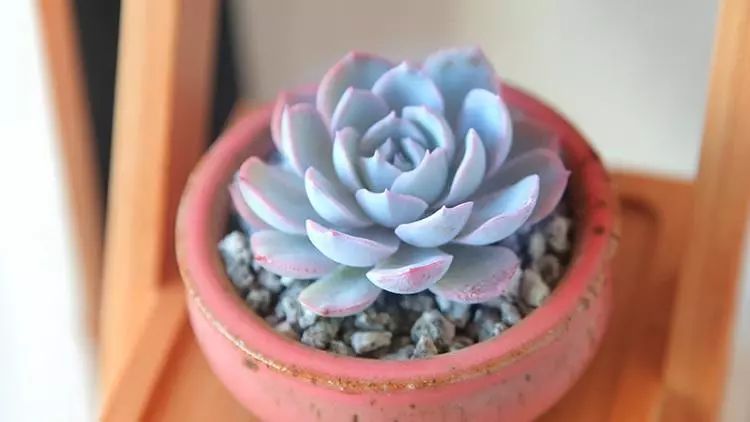
Actually, when we grow succulents, there are still many issues to pay attention to. Of course, if you can guarantee that the environment where you keep your succulents at home stays sterile and pest-free at all times, with the temperature kept between 18-28°C, then you can completely ignore all the other issues; if you can't, then follow along and let's take a look at what issues to watch out for when growing succulents!
First is protection against pests and diseases. If a succulent stops growing, it has very likely been infected by pests or disease. At this point we need to carefully check whether mealybugs have appeared on the succulent's roots. If pests or disease are found, be sure to promptly clean the infected area with carbendazim. If it has been infected by black rot, you may have no choice but to behead it and regrow it.
Next is the issue of fertilizer. I believe anyone who has grown succulents surely knows that if we use a mix with a large proportion of peat and garden soil to grow succulents, their growth rate will be noticeably faster than that of the same variety grown in a granular soil mix. In fact, the main reason for this is that garden soil and peat soil contain large amounts of nutrients.
Especially for newly planted succulents, sufficient nutrients need to be supplied to achieve the effect of rapid growth, so we can appropriately add a bit of fertilizer for the plants. The fertilizer I use myself is decomposed animal manure, but I personally suggest everyone buy some pre-mixed fertilizer online instead, since self-mixed fertilizer is very likely to contain various pests and pathogens.
Note one thing: fertilizer can only be used for the growth of new succulent plants. For mature succulents, fertilizer will instead become an obstacle.