It doesn't matter if you don't know how to grow clivias; bury a little material at the bottom of the pot and they will thrive with lush foliage and plenty of blooms
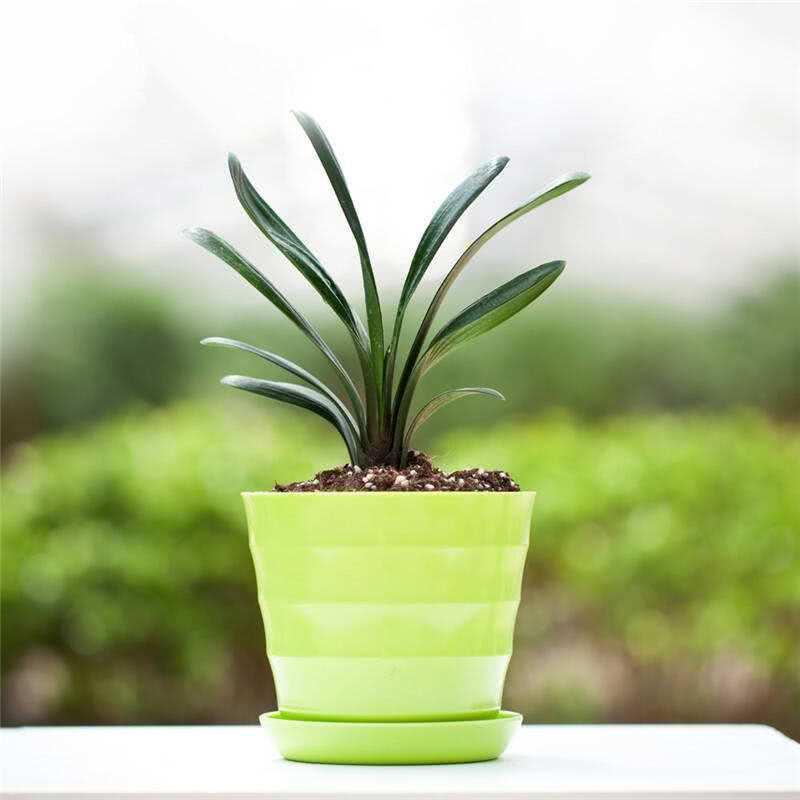
Clivias can satisfy people's many needs, such as beautifying the home, cultivating character and purifying the air, and can make our home environment show an elegant and luxurious style. To grow clivias well, we still need to put in some thought, and we can use some little methods to promote their growth.
1. Pine cones and pine needles
Watering clivias is a big issue. The pine cones we pick up under pine trees in the park can be laid at the bottom of the clivia pot. This can increase the drainage and air permeability of the potting soil, avoid root rot in clivias, and let the clivia root system grow robustly.
When using pine needles and pine cones, they need to be soaked in a carbendazim solution for about half an hour. After drying, they can be placed at the bottom of the pot for use. Only when the root system is robust can clivias grow more vigorously.
2. Castor beans and melon seeds
Clivias are heavy feeders, especially for oily fertilizers, so every year when repotting clivias, you can use fried castor beans or melon seeds as fertilizer. These fertilizers are very oily and can make clivias glossy and shiny with excellent quality.
Normally, we can also directly take fried castor beans or melon seeds, dig a few holes at the edge of the flowerpot, and put a few seeds in, so that they can slowly release oily nutrients. After the clivia absorbs them, it will also be especially glossy and grow robustly.
3. Willow branches
Willow branches are relatively resistant to moisture and rot, and generally will not decay even after being placed in a pot for two years. Willow bark contains natural salicylic acid, which can promote rooting in clivias. Using willow bark to cultivate clivias can make them root quickly, sprout abundantly and grow vigorously.
After cutting the willow branches short, soak them in a potassium permanganate solution for about one hour, then tie them into a bundle and place them at the bottom of the clivia pot as a drainage layer. This method is very simple and the materials are easy to obtain. It also promotes rooting in clivias and makes the leaves glossy green.