Solutions for yellowing leaves and root rot in hydroponic lucky bamboo
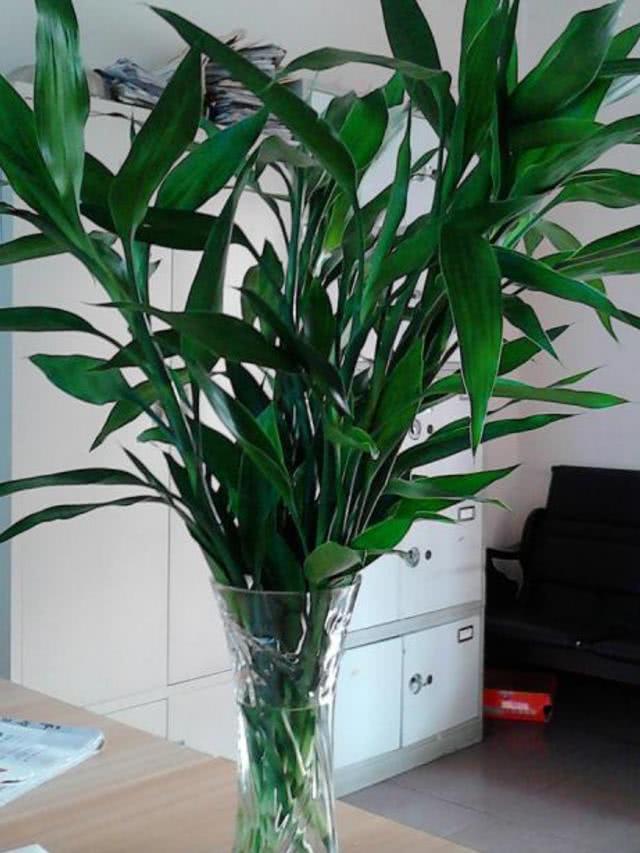
Hydroponic lucky bamboo is deeply loved by many plant enthusiasts for its emerald-green leaves, elegant and fresh appearance, and lack of pollution, but as you care for it, for various reasons, problems such as yellowing leaves or root rot can appear, especially in the scorching summer and cold winter, causing many plant enthusiasts endless headaches. Today let us analyze the specific causes of yellowing leaves and root rot in hydroponic lucky bamboo and the solutions, hoping to help fellow plant lovers.
Water quality issues: Hydroponic lucky bamboo grows in water, and the entire plant's nutritional needs come entirely from the water. Some plant enthusiasts like to use freshly drawn tap water for their plants, thinking that freshly drawn tap water is clean. Little do they know that tap water not only has limited nutrients but also contains a large amount of chlorides, which increase the alkalinity of the water, and most plants and flowers do not like alkaline growing environments. Over time, lucky bamboo will develop yellowing leaves and root rot due to nutrient deficiency. So if conditions permit, replacing tap water with well water or cooled boiled water is best. If conditions are limited, you can also let tap water sit for 2 days, so that the chlorides in the water gradually evaporate, preventing lucky bamboo from absorbing too many chlorides and developing yellowing leaves or root rot. You can also add a rusty iron nail to the water or drip in a few drops of diluted ferrous sulfate solution; the released iron ions can effectively improve water quality. Note: During cultivation, keep the water clean; generally changing the water once every 7~10 days is sufficient. Changing the water too frequently will cause lucky bamboo to develop yellow leaves because it cannot absorb enough nutrients.
Improper fertilization: Because hydroponic lucky bamboo has limited nutrients in the water, if nutrients are not supplemented in time, yellowing leaves will quickly appear. Each time you change the water, you can add an appropriate amount of hydroponic nutrient solution, but remember not to overdo it. If the leaves become thick and dull, uneven and not smooth, and old leaves turn scorched yellow and fall off, it may be caused by over-fertilization. You should promptly change the water for the lucky bamboo to reduce nutrient intake. If you find that the color of young leaves gradually becomes lighter, appearing pale green or yellow, while old leaves show little change in the short term, it is caused by a lack of fertilizer in the water, and nutrient solution should be added promptly.
Too much or too little light can also cause yellowing leaves in lucky bamboo. Lucky bamboo prefers a shade-loving environment; normally it can be placed in a bright spot in the living room or bedroom, but it must not be exposed to direct sunlight, otherwise yellowing leaves easily occur. An environment that is too shady with no light also easily causes lucky bamboo to develop yellowing leaves or root rot because it cannot carry out sufficient photosynthesis.
Lucky bamboo prefers a humid environment. Normally you can spray the leaves with a 1:100 beer solution mixed with water, which can make the leaves glossy green and bright. If yellowing leaves are discovered early in lucky bamboo, you can pick off the yellow leaves and add a piece of vitamin C or half a tablet of aspirin to the water, which can also reduce the yellowing and keep the leaves emerald green. If there is root rot, promptly cut off the rotten roots, soak them in potassium permanganate solution for disinfection, then replace with clean water and add a small amount of vitamin B12 to promote root growth.
In the cold winter, a room temperature below 15°C easily causes yellowing leaves, root rot, or death in hydroponic lucky bamboo. It should be promptly moved to a warm room, and at the same time spray the leaves with water close to room temperature to maintain the air humidity it needs.