What are the reasons camellias do poorly? See if any of these apply to you
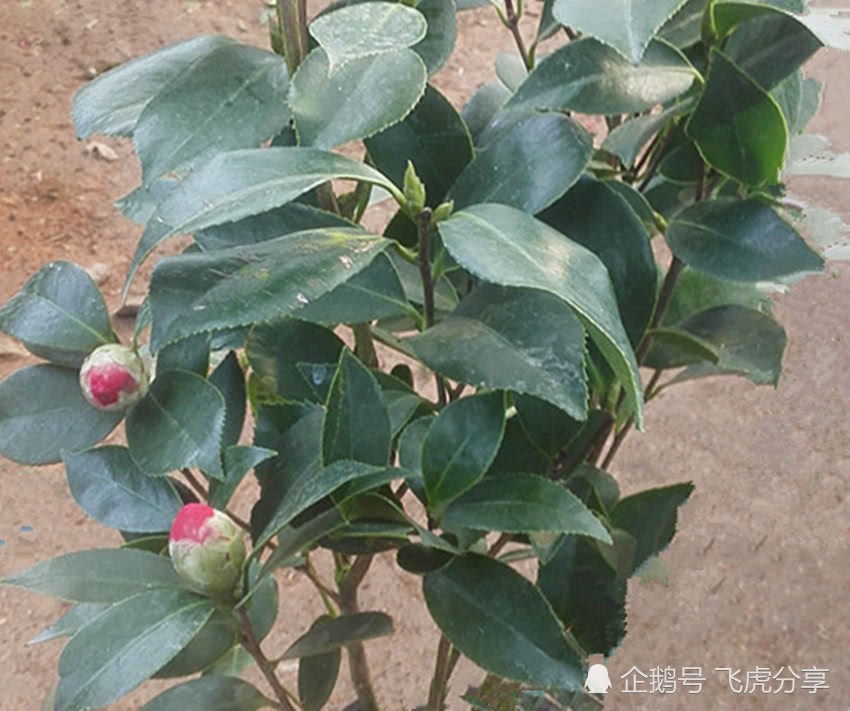
The camellia has a beautiful plant shape and bright flowers, making it a houseplant that many flower lovers greatly enjoy. Anyone who has grown camellias knows that growing them well is not an easy task. Many flower lovers think camellias are difficult to grow, either doing poorly or not surviving at all. With the same camellia, why do some people grow plants with abundant flowers and lush leaves, while others fail? In fact, there is always a reason when any plant does poorly. As long as you figure out the reasons and problems, you can find the solution and then solve the problem, and then camellias will not be difficult to grow.
Unsuitable growing environment. The camellia is a tropical plateau flower from the south, and its native environment is warm year-round with lots of rainy weather, half shade and half sun, which makes the camellia grow in a moist environment with fairly high air humidity. Therefore, to grow camellias well, you must first give them a suitable growing environment. When grown at home, camellias mostly grow poorly because the air is dry, the humidity is insufficient, the sunlight is insufficient, and the temperature is unsuitable. Camellias need a temperature of 18~28°C and a humidity above 60% to grow. Apart from providing shade in summer, they should be given appropriate light in spring, after autumn and in winter, and you should spray water frequently to maintain humidity. Only in this way can the camellia have thick leaves and a strong plant.
Camellias like slightly acidic soil and require loose, breathable soil with plenty of humus, such as leaf mold and garden soil; soil that is too sticky should not be used. In particular, the somewhat alkaline soil in some northern regions is simply not good for camellia growth. In areas where the soil is too sticky, you can buy nutrient soil for flowers, or mix your own soil for camellias by combining vegetable garden soil, sand and organic fertilizer. The camellia is a flower that fears both drought and waterlogging, so watering must be done at the right time and in the right amount. Water only when the soil surface in the pot is dry, and each time you must water thoroughly. It is best to keep the pot soil surface half dry and half moist.
The camellia's root system is very weak, so you must be especially careful when fertilizing. Do not use too much, and do not use raw fertilizer. For beginners, it is best to choose special fertilizer or slow-release and controlled-release fertilizer, so that too much fertilizer will not burn the roots. In addition, the worst thing for growing camellias is poor ventilation. Poor ventilation is the main cause of various pests and diseases, and it also easily causes flowers, buds and leaves to drop. Therefore, when growing camellias at home, besides maintaining a suitable temperature, you should provide good ventilation to help the camellia grow well.