Which season's tea is the best: spring, summer, autumn or winter?
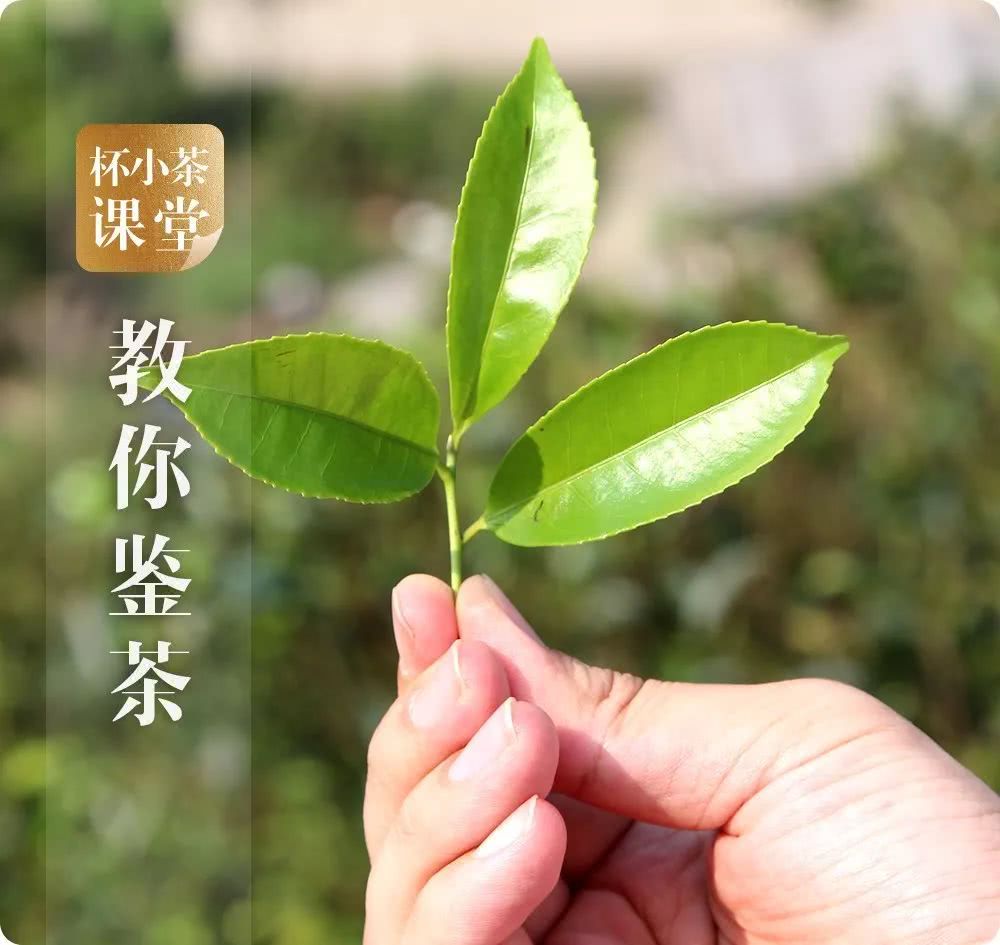
The ancients said: "Spring tea is bitter, summer tea is astringent; for good drinking, autumn White Dew." Leaving aside whether these descriptions are accurate, they show that in people's understanding, tea from different seasons has different characteristics.People who know even a little about tea will pay attention to when the tea was produced when buying it.
Some teas are produced only in one or two seasons a year, while others are produced in all four seasons. So what are the differences between spring, summer, autumn and winter teas?
When is tea from the four seasons picked and made?
Spring tea
Generally refers to tea made from the buds and leaves newly sprouted by tea plants after overwintering. Spring tea buds around late March and is picked and made from late March to before mid-May, accounting for 40-45% of the total annual output. Spring tea is further divided into Mingqian tea, Yuqian tea and Guyu tea.
Summer tea
Refers to tea picked and made from early May to early July. Tea picked and made from mid-July to early August is called summer heat tea, and they are generally collectively called summer-heat tea.
Autumn tea
Tea picked between Start of Autumn and White Dew in the 24 solar terms, also called "grain flower tea". Tea picked before the White Dew solar term in August is called early autumn tea, and tea picked from after White Dew to early October is called late autumn tea.
Winter tea
Picking and making generally begins in late October. Winter tea grows after autumn tea has been picked, as the climate gradually turns colder.
What are the characteristics of tea from different seasons?
Spring tea - fresh and brisk in taste
In spring, the temperature is moderate and rainfall is ample. In addition, after the tea plants have rested and recuperated through the half-year winter, spring tea buds are plump, emerald green in color and soft in leaf texture. Compared with summer and autumn tea, spring tea has richer internal substances, especially amino acids, making spring teamore mellow, brisk and highly fresh in taste。
On the other hand, after the severe cold of a winter, there are often very few pests when spring tea sprouts, and less pesticide is used in spring, so the price of spring tea is relatively high.
Summer tea - strong in taste
Summer tea is picked right in the hot summer, when the new shoots of tea plants grow rapidly. Summer tea has increased contents of anthocyanins, caffeine and tea polyphenols, while its amino acid content is low, thus making the tastemore bitter and astringent than spring and autumn tea。
Although many people think summer tea tastes inferior to spring and autumn tea, if summer tea is made into black tea, the abundant tea polyphenols in summer tea are converted into theaflavins, thearubigins and theabrownins. The black tea made this way has reduced bitterness and astringency, and even a distinct sweet aroma, with a mellow taste.
Autumn tea - high and uplifting aroma
The "autumn White Dew" mentioned earlier in "Spring tea is bitter, summer tea is astringent; for good drinking, autumn White Dew" refers to autumn tea.
Because autumn weather is relatively dry, tea leaves can, to the greatest extent during growth, picking and processing,retain their aroma. After the harvest of spring tea and summer tea, the plant's internal nutrients are somewhat depleted. Therefore, autumn tea has a relatively thin soup texture and weaker bitterness and astringency. Autumn is suitable for making oolong tea. The so-called "spring water, autumn fragrance" refers to the high fragrance of autumn oolong tea. Compared with spring and summer tea, autumn tea has a slightly lighter taste, neither bitter nor astringent, which is why the ancients said autumn tea is good to drink.
Winter tea - rich aroma, light liquor
Winter tea is also called winter flakes. The new shoots and buds of winter tea grow slowly, internal substances gradually increase, and the aroma is intense. Not all tea farmers are willing to pick winter tea, because it affects the yield and quality of spring tea. Tea picked and made in winter has extremely limited output, is very precious, and commands high prices on the market.
Winter tea generally shows an excellent aroma, even more captivating than autumn tea, while its taste is weak, almost never bitter or astringent, and its mouthfeel is very unique, making it sought after by many people.
Which season's tea has the best quality?
Traditionally, spring tea is still considered the best. Spring tea leaves are tender and fresh, rich in internal substances, and suitable for making all kinds of tea. Whether in appearance, taste or aroma, they are high quality.
But tea from other seasons cannot be said to be necessarily inferior to spring tea; each has its own characteristics.
Spring is especially suitable for making green tea; its tender green freshness can fetch a good price;
Summer is suitable for making black tea, while making other types of tea from it gives poorer quality;
Autumn is suitable for making oolong tea, with a high, uplifting aroma and little bitterness or astringency;
Making tea in winter is rather luxurious, with low output, but the flavor is unique.
So in fact, tea lovers do not need to single-mindedly pursue tea from a particular season, because its quality is also related to the tea plant's growing environment, tea garden management level, tea-making techniques and so on.
Do not use a single standard to define tea.Whether tea is good or bad can only be known once it is in your mouth, and season can only serve as an auxiliary factor for judging the style and quality of tea.
Which season's tea do you like to drink?