How to grow a clivia best? Mastering these care tips is key
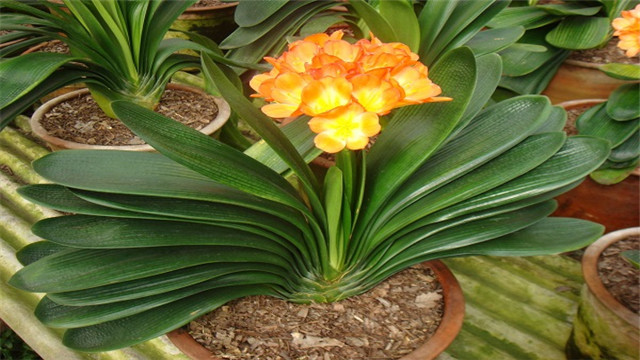
1. Watering
Clivia has fairly well-developed fleshy roots, so generally it does not need much water, just slightly moist is enough. Its soil should not be too dry or too wet. Each time you water, water thoroughly. When the indoor temperature is low, reduce watering, so that overly wet potting soil or standing water does not cause the roots to rot and die.
2. Fertilizing
Fertilizing it generally means light fertilizer applied frequently; do not use too much fertilizer, so as to avoid root rot. If you are repotting, give it a base fertilizer. In spring and autumn you can apply a suitable top dressing after fertilizing, while in winter and summer avoid top dressing as much as possible; it can rely on the nutrients from spring and autumn to grow.
3. Temperature
To grow clivia well, you must first know that it is very shade-tolerant and rather prefers a cool, shady environment. Therefore in summer the temperature should be controlled at 15-25°C and must not be too high, and in winter the minimum temperature must not fall below 10°C, so as to avoid frost damage. In summer, do not let it receive direct sunlight, and pay attention to changes in the weather, so you can grow it better.
4. Repotting
Repotting is good for clivia's growth. Choose the period when it is growing fairly vigorously, generally in spring and autumn. Mature plants should be repotted once a year. When repotting, cut off the old roots and rotten roots, place the plant into the potting soil, and press the soil firmly around the roots; after replacing the potting soil, just water thoroughly.