Growing a pot of mosquito-repelling and delicious plants in the kitchen is so worth it
Perilla
Perilla is a spice we commonly see. It has both culinary and medicinal uses, and can tonify qi and dispel cold.
1. Culinary uses
Perilla is often used as a seasoning for dishes like fish, shrimp, snails and crab. It not only adds freshness and removes fishiness, but also drives out cold. Fresh perilla leaves can be served in cold dishes, and dried perilla leaves can also be brewed as tea.
2. Growing methods
Sowing: You can sow in spring, summer or autumn. Bury the seeds in moist potting soil. You can cover with a plastic bag to keep warm and retain moisture. They sprout in about three days.
Care: Perilla is easy to grow and grows readily. Water once every 2-3 days, and in less than 1 month you can pick the leaves to use.
Rosemary
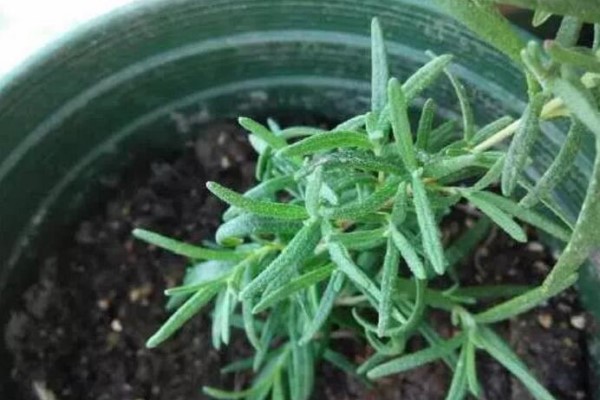
Many people think rosemary seems very "foreign," but in fact, as early as the Cao Wei period, we had already introduced rosemary from Europe.
1. Culinary uses
Rosemary is mostly used in barbecue, Western dishes and baked goods to add fragrance. We can also add a little when making soup, and it will also boost the aroma. Besides eating it, rosemary can also be used in beauty care and as an antioxidant, and the essential oil extracted from it can also help with sleep.
2. Growing methods
Rosemary likes slightly alkaline soil. Ordinary garden soil is generally fine. If the soil and water near your home are on the acidic side, you can sprinkle 3-5g of lime to neutralize it. If you do not have lime, you can add the desiccant packet from snacks.
Usually water once every 3-5 days. Rosemary likes sunlight and can be grown outdoors, on a balcony or on a windowsill, but in winter be careful to keep it warm.
Rosemary has a very strong scent. Besides using it as a seasoning, you can also cut the flowering branches, tie them up and hang them in a well-ventilated spot in the room. The scent it gives off can repel mosquitoes.
Basil
Basil, commonly known as nine-layer pagoda, has a flavor similar to fennel and is also a popular herb.
1. Culinary uses
Basil is often added to Western dishes for seasoning and garnish. In fact, we also commonly use it in Chinese cooking. It works for soups and fried dishes alike.
2. Growing methods
Basil can be sown in all four seasons, but note that when sowing in autumn and winter you must keep it warm. Only above 18 degrees Celsius will it sprout as quickly as possible. For sowing, moist ordinary garden soil is fine.
Generally, just a few days after sprouting, the leaves grow rapidly. In 1-2 weeks you can pick the leaves to cook with.
Peppermint
Peppermint is a type of mint. Ordinary mint leaves are rounder and light green with a yellow tinge, while peppermint leaves are pointed and darker in color.
1. Culinary uses
Peppermint tastes refreshing. It is not only an eye-catching garnish, but also a great seasoning for boosting freshness. You can add a little peppermint to soup, meat, pancakes, fruit, rice and desserts.
2. Growing methods
Peppermint is heat-tolerant and cold-tolerant and can be grown in all four seasons. It has few soil requirements. With just a small pot, it can grow into a full, thriving plant!
Agastache rugosa
At the mention of Agastache rugosa, the first thing everyone thinks of is surely Huoxiang Zhengqi Shui. Yes, it is that Agastache rugosa.
1. Culinary uses
Agastache rugosa has the effect of clearing heat and relieving summer heat. We are used to adding a little when cooking fish, but you can actually also deep-fry the leaves to eat directly. In summer, when it is easy to get heaty and dizzy, keeping a little Agastache rugosa tea on hand is great.
2. Growing methods
Sowing Agastache rugosa requires a shady environment. You can sow in spring and autumn. Mix a little sandy soil into the potting soil to improve aeration. Spray with water every day. It sprouts in about 7 days.
Before the seedlings grow to 10 cm, keep the potting soil moist, and also loosen the soil in time to prevent it from compacting. That way the seedlings become strong, and the Agastache rugosa can grow bigger.
Lavender
Lavender is also very familiar to everyone. Its flower language is waiting for love. Isn't that beautiful and romantic?
1. Uses
Lavender has a soothing and relaxing effect on the spirit, and is often used in essential oils, fragrances and body care products.
2. Growing methods
Lavender is mainly sown in spring. Choose sandy soil mixed with garden soil for planting. It likes sunlight and can be sunned all day, so water it in time as well.
Lavender flowers can be cut and hung in a ventilated place to air-dry into dried flowers. They are excellent decorations.
After seeing these 6 herbs
Are you flower lovers tempted?
If you like this fragrant scent
Then hurry up and start growing them